Top videos

In the video Dr Israr Ahmed discusses meeting Allah and the importance of martyrdom. He says martyrs eagerly await Judgment Day and enter the afterlife swiftly. True martyrdom involves devotion, endurance, and generosity for Allah. He urges believers to aspire for the reward of meeting Allah, noting that even small acts of devotion matter.
In this clip, Dr Israr Ahmed explains that Prophet Muhammad's (peace be upon him) purpose was to establish Islam as the final and complete religion. He emphasizes that Prophet Muhammad (peace be upon him) was the last messenger, concluding the line of prophethood. This signifies the fulfillment and superiority of Islam over other religions.
In this clip Dr Israr Ahmed says the Quran is super important, and we shouldn't ignore it like the Jews did with Allah's rules. Allah praises the Quran, and Prophet Muhammad said the best Muslims learn and teach it. He also said to use the Quran to avoid problems because it always helps. The Quran is like a strong rope from Allah and reminds us of Him the best.

In this clip Dr Israr Ahmed emphasizes that real service to humanity means establishing a just system, not just giving charity. He highlights the unfair distribution of wealth, where the rich keep getting richer and the poor poorer. Charity may help temporarily, but it doesn't fix the root cause of poverty. A fair system would ensure everyone’s basic needs are met. He argues that it's the government's duty to ensure justice, not just rely on personal charity.

In this clip Dr Israr Ahmed emphasizes that Tanzeem-e-Islami's ideology is strong, but practical action is needed for real change. He suggests building a disciplined group that follows Islamic principles and spreads awareness. Once organized, this group can address societal issues like corruption and interest. Change requires preparation, not just protests or chaos.

In this clip Dr Israr Ahmed discusses if it’s acceptable to stand in front of elders, scholars, or parents. He says standing to greet someone is fine, but standing in a prayer-like way is not allowed, especially at religious sites. For instance, standing in front of the Prophet's grave like in prayer is forbidden. He stresses that only Allah deserves that level of respect, and while it's okay to show respect to others, it shouldn’t resemble worship.

In this clip Dr Israr Ahmed explains that a husband can give divorce in Islam, but it should be done responsibly and as a last resort. Divorce is allowed but disliked by Allah. Efforts should be made to reconcile before deciding. After three divorces, the wife can only remarry her husband if she marries and separates from another man. Fewer than three divorces allow remarriage through a new Nikah.

In this clip Dr Israr Ahmed explains that being a Muslim means following Islam, often through family tradition, while being a Momin means having true, unwavering faith in Allah and His Messenger. A Momin not only believes strongly but also actively works for Allah’s cause, including through struggle or jihad. True faith involves both strong belief and action.

Jinnat ki Haqiqat

In this clip Dr Israr Ahmed explains that after an Islamic revolution, the ideal system should be based on the Quran, Sunnah, and the Khilafat-e-Rashida. He says the focus should be on these, not on any specific school of thought (fiqh). However, if a fiqh like Hanafi takes over, he would accept it as better than the current system. He also points out that discussions in Pakistan have always focused on the Quran and Sunnah, not on any one fiqh.
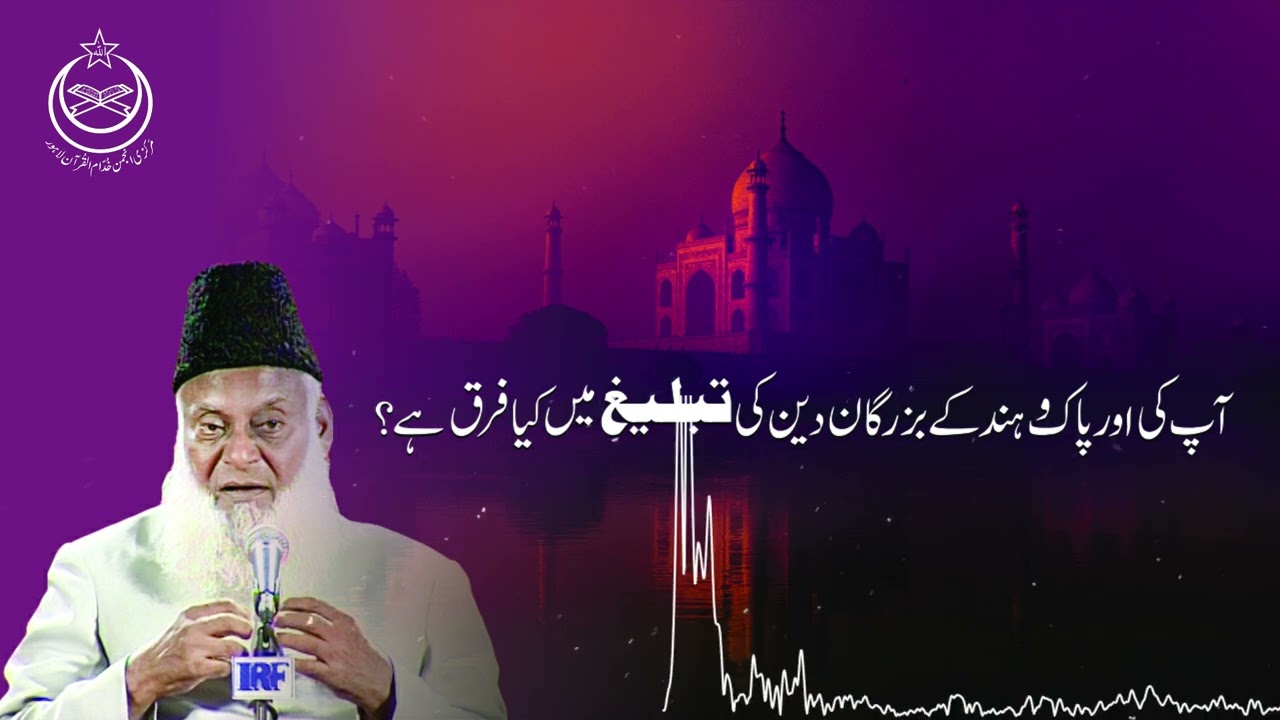
In this clip Dr Israr Ahmed explains that earlier religious elders (Buzurgan-e-Deen) focused on spreading Islam spiritually, while rulers like the Mughals worked on governance and conquests. However, he believes the current challenges require following the Quran, Sunnah, and the Prophet’s (SAW) example to bring a complete Islamic revolution. Preaching is important, but it must be combined with efforts to reform society and leadership.

In this video, Dr. Israr Ahmed explains the contrast between life in this world and the afterlife, emphasizing the shortness of worldly life compared to the eternity of the hereafter. He highlights how people often prioritize worldly matters over remembering Allah and the afterlife.
Dr Israr Ahmed Very Emotional Clip About Ulma E Soo | Asman Ke Niche Badtreen Log | Eye Opening Clip
In this clip Dr Israr Ahmed is explaining about warns against religious figures prioritizing wealth over their spiritual responsibilities. It mentions Prophet Muhammad's prophecy about a time when Islam's true teachings will fade, with opulent mosques lacking guidance and corrupt scholars leading. It criticizes those who hoard wealth instead of using it for religious purposes, with a warning of harsh punishment in the afterlife for such behavior.

1991 Eid Ul Adha Khutbah By Dr Israr Ahmed | 30 Years Old Bayan Of Dr Israr Ahmed
In this clip Dr.Israr Ahmed explains Surah Ar-Rahman, a chapter of the Quran.
He highlights Allah's mercy, a theme that runs throughout the chapter.
The name "Rahman" means "Most Merciful", emphasizing Allah's compassionate nature.
The Quran teaches us about Allah's mercy and how it is essential for our salvation.
Allah has created humans with the ability to understand and speak.
The Quran is our ultimate guide, providing wisdom and guidance for a fulfilling life.

Dr. Israr Ahmed says the most successful people are those who learn and teach the Quran. He emphasizes believing in and understanding its importance. In short, he urges reading and understanding the Quran for success and guidance.
In the clip, Dr. Israr Ahmed discusses challenges Muslims still face after colonialism. He emphasizes unity and reflection, urging Muslims to follow Islamic values for progress. Dr. Israr Ahmed mentions leaders' unfulfilled promises and stresses the importance of prioritizing religion over material gain.
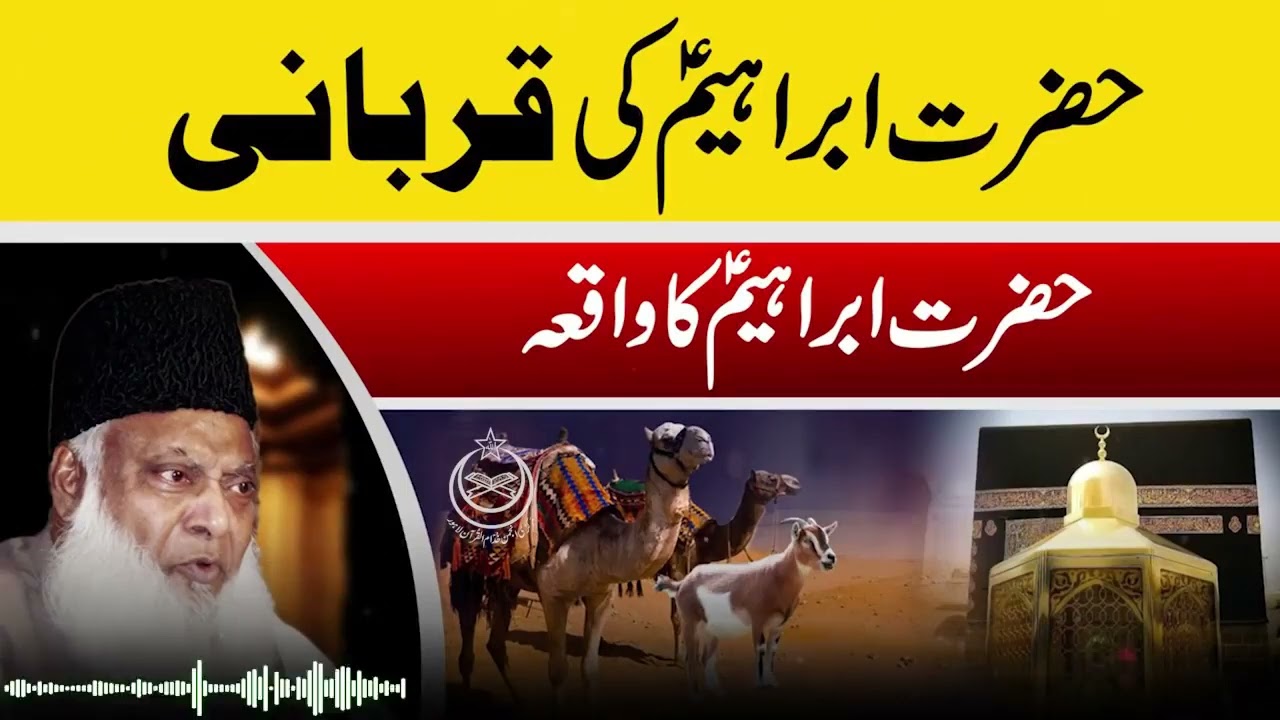
In this clip, Hazrat Ibrahim (A.S) faced tests from society and family, including being thrown into a fire and asked to sacrifice his son. He passed each test with unwavering faith, leading Allah to grant him leadership over humanity.

In this clip Dr Israr Ahmed highlights the need for understanding faith (iqmat-e-deen) and its importance in life. He believes everyone should work on this, but we also need people focusing on other areas. He notes that early Muslims were united in their efforts, but today many are unaware of their duties. He calls for a new awakening among Muslims, urging those who understand their responsibilities to come together for success. He also questions how early Muslims approached science and knowledge.
In this clip Dr Israr Ahmed highlights the importance of connecting directly with the Quran by learning Arabic, as translations cannot capture its full spiritual and emotional impact. He encourages students to focus on Quranic teachings during their education, as this was the foundation of the Prophet's training system. Learning Arabic, he says, is achievable and key to truly understanding Islam.