Top videos

In this clip, Dr. Israr Ahmed explains how to deal with different Islamic groups. He says that while groups like Tablighi Jamaat and jihadi organizations may invite you to join and ask for donations, you should engage without completely agreeing with them. If you are unsure about your own goals, it can lead to confusion. He emphasizes the importance of believing in your own work and being confident in it while also advising caution around gatherings that promote un-Islamic ideas.
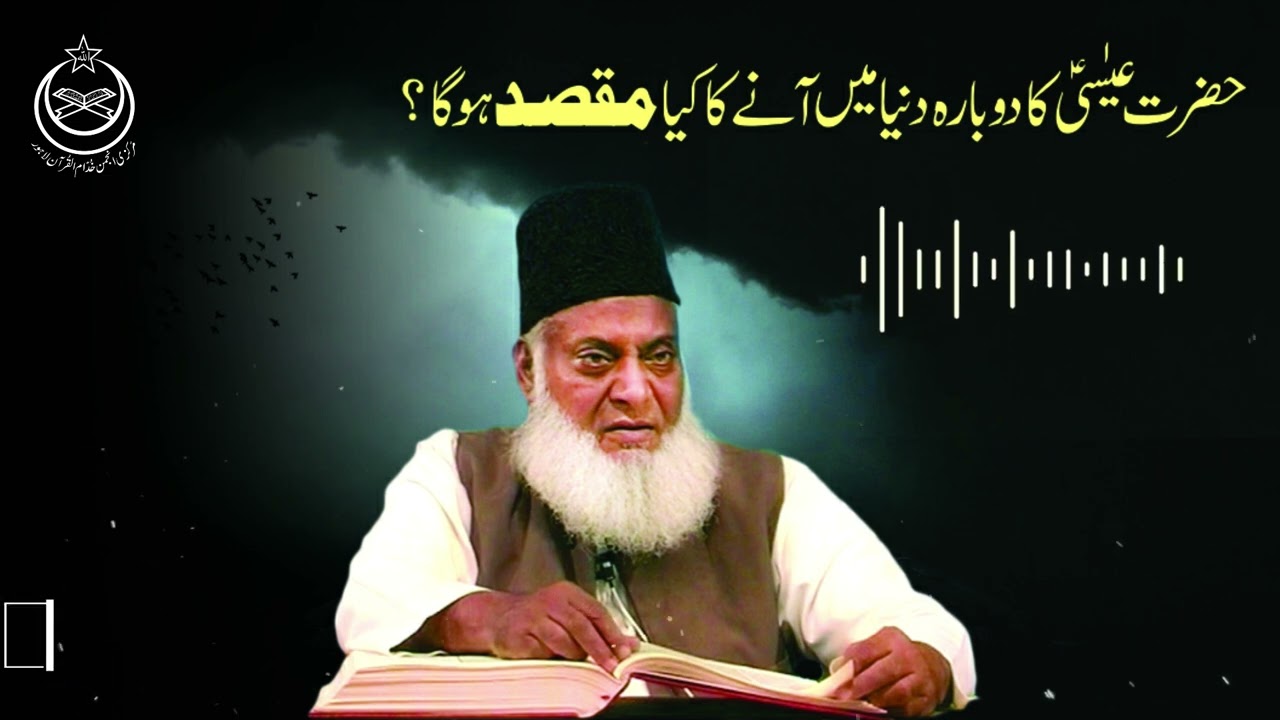
In this clip Dr Israr Ahmed says that when Hazrat Isa (AS) returns, he will join Muslims in prayer, showing respect for the Prophet Muhammad's (PBUH) followers. His main purpose will be to defeat those who opposed him, especially those with powerful weapons. Allah will give him special abilities so that his presence alone will weaken and defeat his enemies, helping to end falsehood and oppression.

In this clip Dr Israr Ahmed explains the ideology and goals of RSS, highlighting their aim to eliminate Islam from India, especially after partition. He draws a parallel with the decline of Islam in Spain and warns of a similar threat in India. He notes how movements like RSS intensified after partition, fueled by grievances over the division of India. With the separation of East and West Pakistan, their confidence grew, contrasting with the decline of Muslims in leadership and progress.
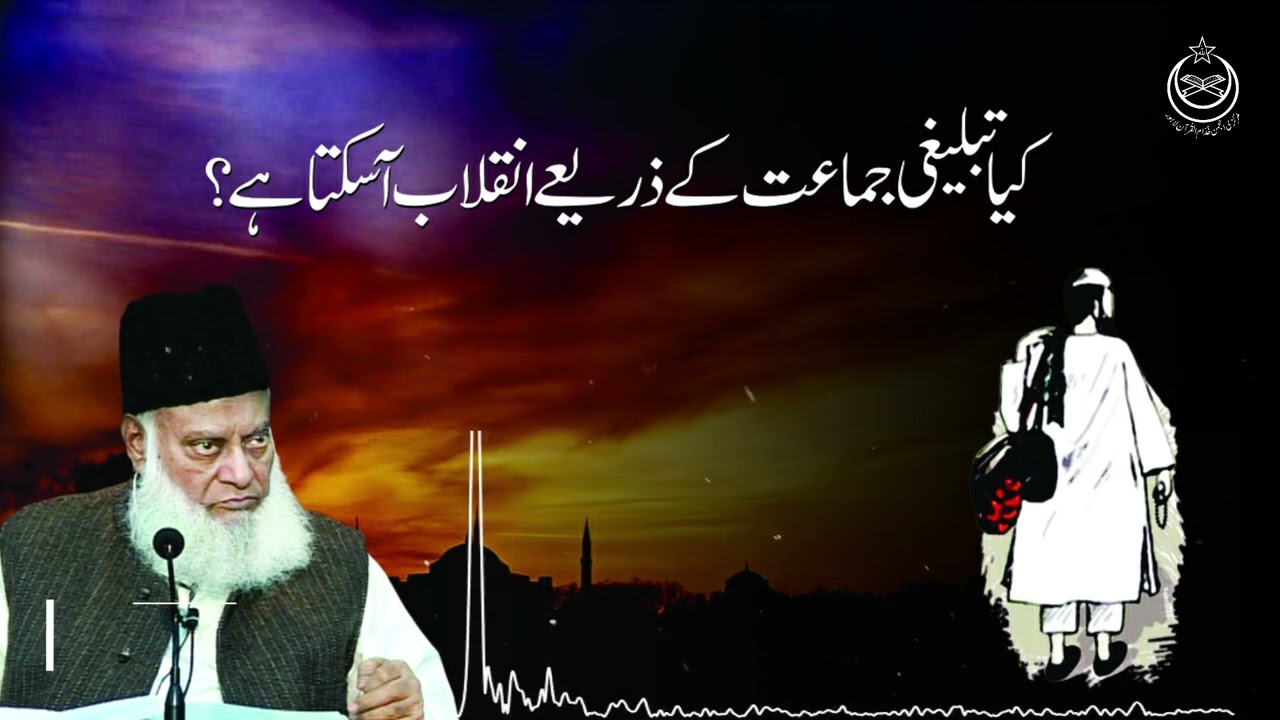
In this clip Dr Israr Ahmed explains that while Tablighi Jamaat focuses on spreading religion and strengthening faith, it is not a political movement. However, their work can prepare people for change by increasing religious awareness. He shares an example from 1977 where a Tablighi member showed great courage in a political movement. Dr. Israr Ahmed believes real revolution needs both faith and active struggle against injustice.
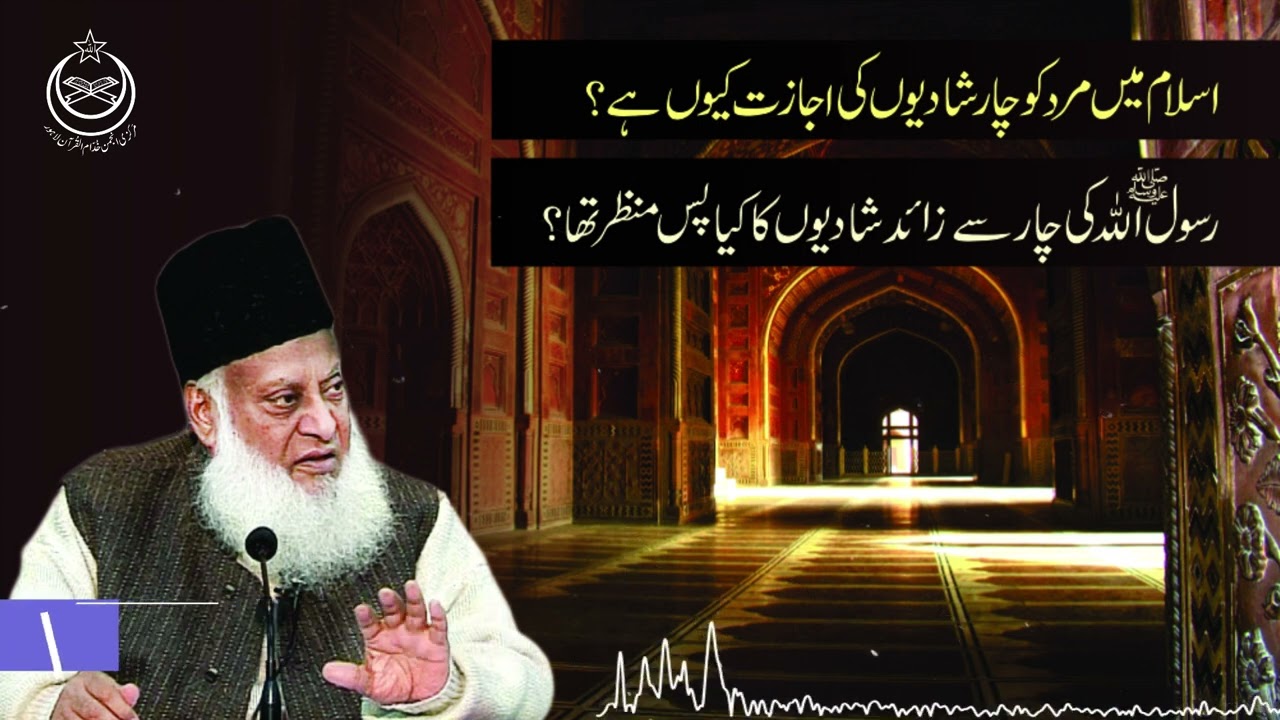
In this clip Israr Ahmed explains that Islam allows men to have up to four wives for social and moral reasons. The Prophet Muhammad’s (SAW) marriages were to address social issues and protect women. While men and women are equal in basic rights, men have leadership roles in marriage. Polygamy was allowed to maintain family stability in the past, but it should be carefully considered today due to social and physiological factors.

In this clip Dr Israr Ahmed explains that life insurance is not permissible in Islam because it involves elements of gambling and interest (riba), which are prohibited. Insurance companies often invest in interest-based businesses, making the profits haram. Additionally, if you fail to make premium payments, the money you've already paid may be lost, which is unfair. He advises Muslims to avoid life insurance schemes. Instead, they should rely on Allah and seek halal ways to fulfill their financial needs.
In this video, Dr. Israr Ahmed discusses the significance of prayer (namaz) in Islam and explains its proper method and the power of dua (supplication). He emphasizes that prayer is a direct way to connect with Allah and assures that sincere requests are always met with Allah's love and mercy.

In this clip, Dr. Israr Ahmed delves into the significance of conviction regarding the concept of the hereafter. He underscores the necessity of aligning one's heart and spirit with the truth, stressing that true understanding and meaningful action stem from a profound belief in the teachings.

In this clip,Dr Israr Ahmed is talks about an argument between Hazrat Abu Bakr and Hazrat Umar. Hazrat Abu Bakr wanted to fight those who refused to give zakat, but Hazrat Umar disagreed, saying it wasn't the right time. He thought people were too upset because the Prophet had passed away. They debated whether force or understanding was the better approach. It shows how they dealt with a difficult situation in Islamic history.

In this clip Dr Israr Ahmed explores the permissibility of family planning and birth control in Islam, endorsing certain methods while cautioning against permanent solutions like surgery. He also addresses the topic of making images, highlighting Islam's comprehensive nature, covering beliefs, worship, and social customs.

In this clip Dr Israr Ahmed says a true believer trusts in Allah and the Prophet Muhammad (PBUH) without doubt. Genuine faith shows in actions like prayer and jihad. While rituals matter, true faith goes deeper. It's a blessing that Allah guides us, and our actions reflect our faith. Allah sees all.

In this clip Dr Israr Ahmed explains why some people struggle to connect with prayer and how to change that. He says it's not enough to just say you believe; true faith must be felt in the heart. When you truly believe, you'll feel Allah's presence always, making prayer more meaningful. The key is to have such strong faith that it feels like you're talking to Allah directly.

In this clip Dr Israr Ahmed discusses hypocrisy in Islam, noting signs and misconceptions. He warns against opposing religious establishment and misunderstanding jihad's importance. He emphasizes the need to recognize and avoid hypocritical behavior among Muslims, urging adherence to religious obligations.

In this clip, Dr. Israr Ahmed discusses how Hazrat Ali's (RA) establishment of the caliphate in Kufa led to the events surrounding Imam Hussain's (RA) martyrdom. Despite promises of support, Imam Hussain (RA) faced betrayal and was martyred on the 10th of Muharram, 61 AH. His courage and patience continue to inspire people to stand for truth, even in adversity.

In this clip Dr Israr Ahmed talks about whether the Islamic presidential system fits with Khilafat. He says the presidential system is closer to Khilafat than parliamentary ones. He explains the six types of systems and says nations can pick the one they like. He also mentions the importance of Sindhi culture and language in Pakistan.

Nazriya e Pakistan Allama Iqbalؒ Vs Quide e Azamؒ Dr Israr Ahmed Official

In this clip Dr Israr Ahmed stresses the significance of believing in the afterlife (Iman Bil Akhirah) and the fear of the Day of Judgment. He asserts that this belief is crucial for guiding people to act righteously. Without it, faith becomes shallow and actions can become corrupt. True faith in Allah and following the Prophet require a sense of accountability in the afterlife. Without this, religious practices become mere rituals. This understanding is vital for maintaining ethical behavior and sincere faith.

In this clip Dr Israr Ahmed tells a story about Sultan Nooruddin Zangi. When Nooruddin's son was very sick, doctors suggested giving him alcohol to save him. Even though religious scholars said it was okay, Nooruddin refused, believing that if Allah wanted his son to live, he wouldn't need alcohol. This shows Nooruddin's strong faith and dedication to his beliefs.
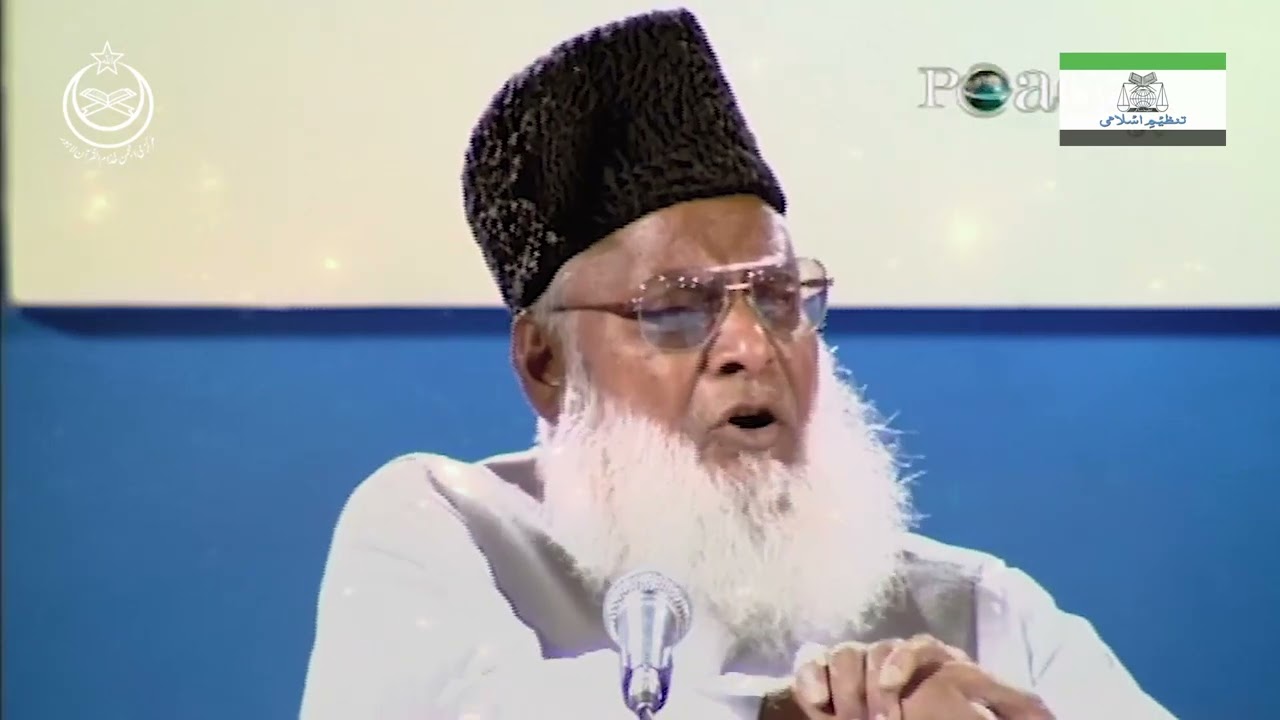
In this clip Dr Israr Ahmed explains that the Quran emphasizes keeping promises and commitments in all parts of life. Whether at work, in marriage, or any agreement, everyone must honor their commitments. Breaking promises leads to dishonesty and injustice. Trustworthiness is crucial for a good life, and without it, one cannot truly have faith or religion.

In this clip Dr Israr Ahmed discusses the importance of Surah Rahman, which the Prophet Muhammad (PBUH) called the "Bride of the Quran" for its beauty. He shares that Allah loves to listen to the Quran and praises beautiful recitation. The names "Rahman" and "Raheem" highlight Allah's immense and continuous mercy. The key takeaway is the significance of reciting the Quran thoughtfully and appreciating Allah's mercy.