Top videos

In this clip, Dr. Israr Ahmed explains that Hazrat Isa (AS) will defeat the Jews and Dajjal in the future. He highlights that while Muslims have strength, it’s hard to unite all nations. The Mahdi will appear first to lead this fight. Dr. Israr Ahmed encourages Muslims to keep working towards their goals, as true success comes from Allah's will, and they should not stop their efforts even if the final victory depends on divine help.

In this clip Dr Israr Ahmed explains that the concept of eternal life in heaven (Jannah) and hell (Jahannum) is hard for humans to fully understand due to our limited minds. He mentions two scholars, Ibn Arabi and Ibn Taymiyyah, who both agree that heaven is eternal, but hell may not be. This debate comes from different interpretations of religious texts.

Dr. Israr Ahmed discusses his disappointment with the political leadership's failure to implement Islamic principles in Pakistan over the past 40 years, despite his efforts since 1974. He reflects on his attempts to advocate for Islamic governance and shares instances of disillusionment, including the adoption of secular laws instead of Islamic ones.

In this clip, Dr Israr Ahmed highlights the sacredness of Hajj and Qurbani, emphasizing their ties to specific rituals and places like Mecca and Mina. He underscores the universal significance of Qurbani and the enduring essence of Hajj, despite geographical constraints. His discourse illuminates these acts' importance within Islam, drawing from Quranic teachings and historical context.
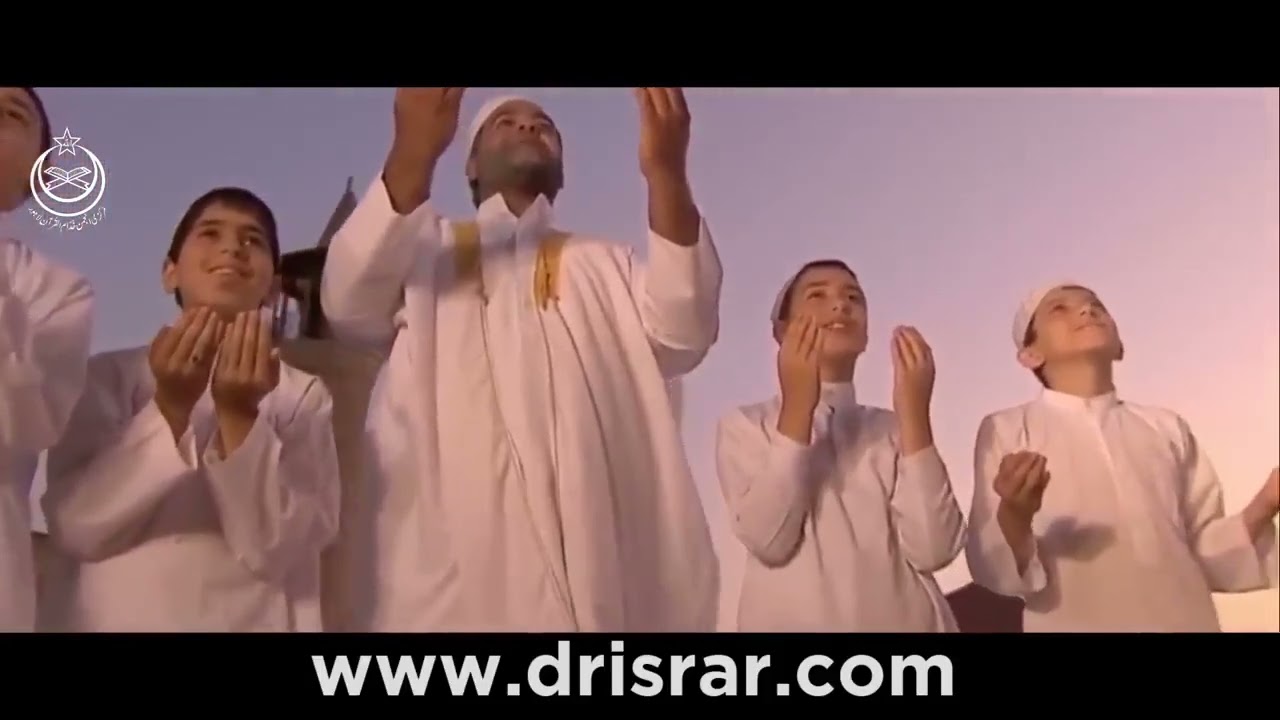
In this clip Dr.Israr Ahmed explains Surah Ar-Rahman, a chapter of the Quran.
He highlights Allah's mercy, a theme that runs throughout the chapter.
The name "Rahman" means "Most Merciful", emphasizing Allah's compassionate nature.
The Quran teaches us about Allah's mercy and how it is essential for our salvation.
Allah has created humans with the ability to understand and speak.
The Quran is our ultimate guide, providing wisdom and guidance for a fulfilling life.

Wo 6 Ayat Jinsy Kafir Drty Hn | 6 Most Misunderstood Ayahs of Quran | Dr Israr Ahmed
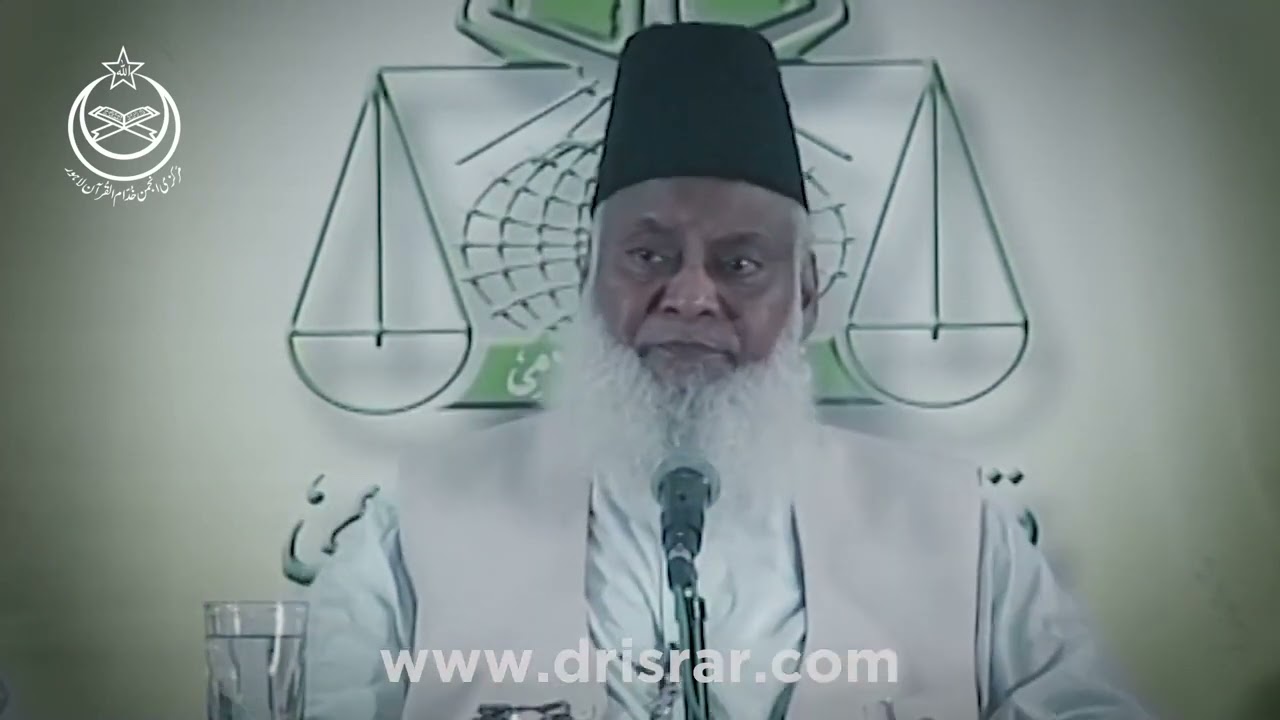
In this clip, Dr Israr Ahmed beautifully explains the essence of worship through Prophet Moses' story in the Quran. He emphasizes that true devotion springs from deep love for Allah and His Messenger. Obedience devoid of love is hollow. Using Moses' encounter with Pharaoh, he shows that genuine worship combines obedience with heartfelt affection. Without this love-infused obedience, religious rituals like prayers and fasting lose their true significance.

In this clip Dr Israr Ahmed talks about cleaning up our thoughts and behaviors, like a gardener removing weeds from a garden. He says it's important to fix our thoughts first, as they affect our actions. This process, called "Tazkia-e-Nafs," has four steps: clearing bad thoughts, purifying desires, cleaning the heart, and enlightening the soul. Dr. Israr Ahmed believes the Quran teaches us the best way to purify ourselves.

In this clip Dr Israr Ahmed explains that the Khawarij were declared outside Islam because they wrongly believed that committing a major sin made someone a disbeliever who must be killed. Similarly, those who deny the finality of Prophethood are also outside Islam because they reject a core belief, not because of their actions.

In this captivating clip, Dr. Israr Ahmed delves into the profound and instructive narrative of a worshiping scholar from the Bani Israel. With eloquence and insight, he unfolds the tale, drawing timeless lessons from its depths. Through his narrative, Dr. Ahmed illuminates the path of belief and devotion, offering a glimpse into the transformative power of faith.
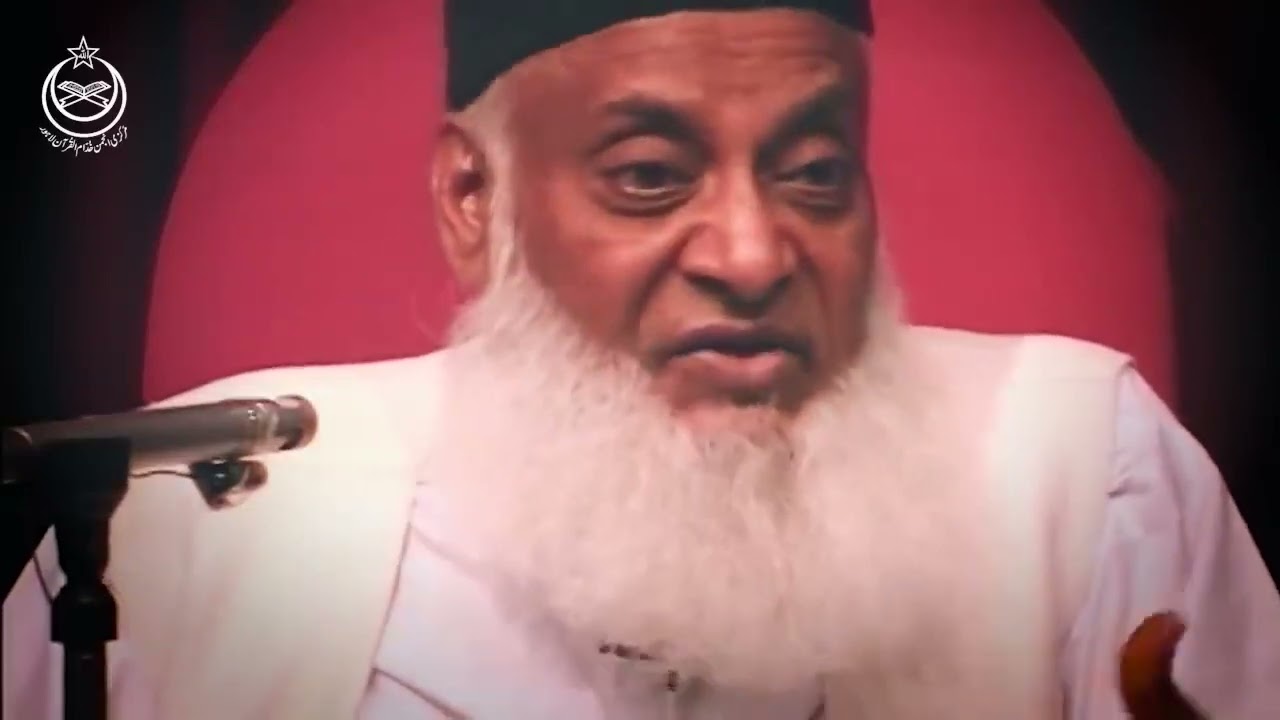
Hazrat Khadija Tul Kubra (R A) Ki Wafat غم کا سال | Rula Dene Wala Bayan | 10 Ramadan | Dr Israr Ahm
Hazrat Khadija Tul Kubra (R A) Ki Wafat غم کا سال | Rula Dene Wala Bayan | 10 Ramadan | Dr Israr Ahmed

In this clip, Dr. Israr Ahmed explains "shirk fil muhabbat," where love for anything surpasses love for Allah, highlighting Quranic comparisons of love. He emphasizes the necessity of prioritizing love for Allah over all else, referencing a verse from Surah Tawbah.

In this clip Dr Israr Ahmed teaches that true peace in Islam comes from prayer and remembering Allah. He explains that listening to the Quran with good recitation brings comfort to the heart. TV and other distractions only cause restlessness. Real happiness comes from spiritual practices, not worldly entertainment. True joy is found in connecting with Allah through prayer and the Quran.

The clip features Dr. Israr Ahmed discussing the historical message to the Muslim Ummah and the reality of the Middle East crisis from an American perspective. He emphasizes Muslims' possession of resources like oil but lack of respect globally. He criticizes US dominance and warns of impending crises, advocating for implementing Islamic principles.

In this clip, Dr. Israr Ahmed discusses cloning and warns that it can be dangerous if misused. He relates it to the Dajjal, a symbol of confusion. He stresses that humans should remember they are not gods, but representatives of God. Without guidance, people might act with false power, leading to chaos. The clip highlights the need to use science wisely while following spiritual values.

In this clip Dr Israr Ahmed shares the story of Hazrat Bilal (RA), who was freed by Hazrat Abu Bakr (RA) to end his suffering. Despite his father's objections, Abu Bakr paid a high price for Bilal's freedom. Hazrat Umar (RA) praised this act, recognizing Bilal's significance. The clip emphasizes the importance of striving for Allah, encouraging both perseverance and correcting mistakes with firm but kind guidance.

In this clip, Dr. Israr Ahmed explains how to stay focused during prayer (namaz) by concentrating on the afterlife and love for Allah. He advises that by directing all thoughts toward these spiritual matters, distractions and negative thoughts will diminish. By keeping the mind centered on Allah and the Prophet Muhammad (PBUH), it becomes easier to maintain concentration during prayers.

In this clip Dr Israr Ahmed explains why some people struggle to connect with prayer and how to change that. He says it's not enough to just say you believe; true faith must be felt in the heart. When you truly believe, you'll feel Allah's presence always, making prayer more meaningful. The key is to have such strong faith that it feels like you're talking to Allah directly.

In this clip Dr Israr Ahmed is explaining the importance of love for Allah and his Messenger compared to other types of love like love for wealth, family, and material possessions. It emphasizes that love for Allah, His Messenger, and Jihad should outweigh other types of love. If these eight types of love dominate over the love for Allah, His Messenger, and Jihad, then it's a warning that Allah may not guide such individuals.

In the video Dr Israr Ahmed discusses the original purpose of Pakistan's creation and references Allama Iqbal's vision. Iqbal envisioned an independent Muslim state in the northeast of India, which Muhammad Ali Jinnah later pursued. Dr Israr Ahmed emphasizes that Pakistan's foundation should be based on Islamic principles, not just on ethnicity, language, or nationalism. He stresses the importance of reviving Islamic values to fulfill Pakistan's true purpose, as envisioned by its founders.