Top videos
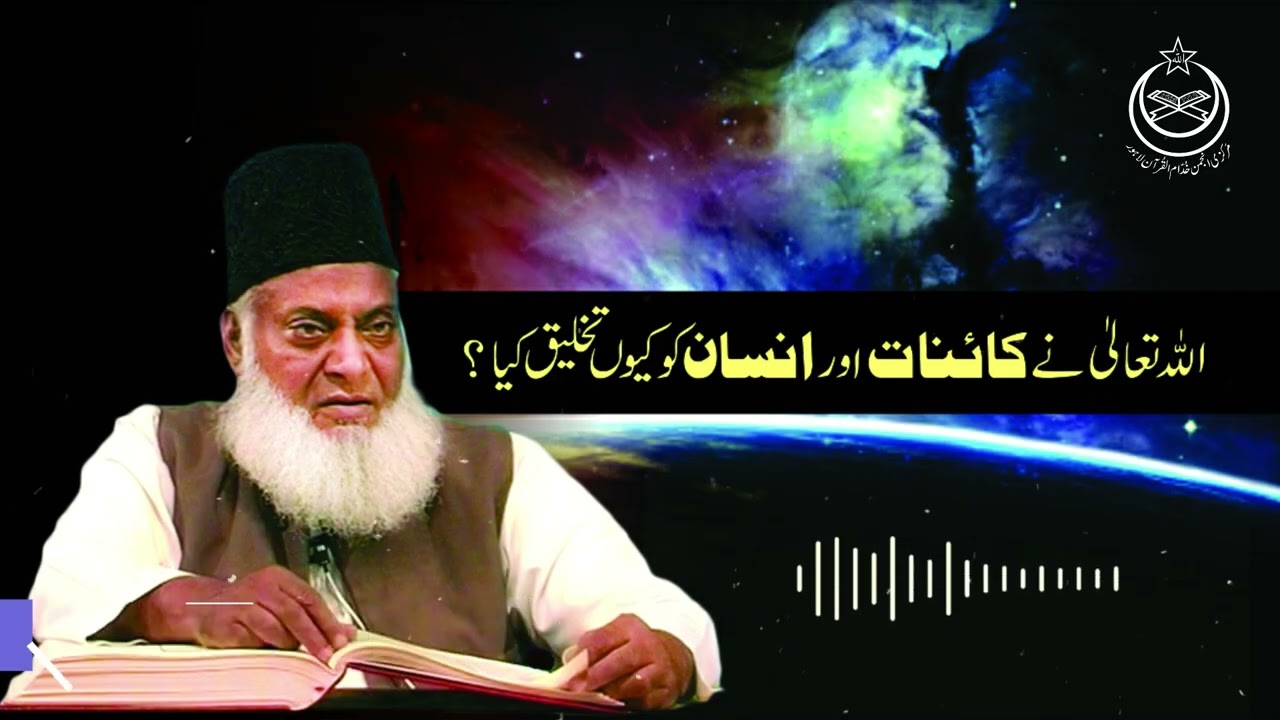
In this clip Dr Israr Ahmed explains that Allah created the universe and humans to show His creative power. Though we may not fully understand His wisdom, humans were created with the ability to recognize Allah's greatness. The final understanding of this comes through Prophet Muhammad (SAW), whose presence was essential for the creation of the universe. Without the Prophet, the universe would not exist.

In the video Dr Israr Ahmed discusses the original purpose of Pakistan's creation and references Allama Iqbal's vision. Iqbal envisioned an independent Muslim state in the northeast of India, which Muhammad Ali Jinnah later pursued. Dr Israr Ahmed emphasizes that Pakistan's foundation should be based on Islamic principles, not just on ethnicity, language, or nationalism. He stresses the importance of reviving Islamic values to fulfill Pakistan's true purpose, as envisioned by its founders.
In this clip Dr Israr Ahmed teaches that a wise person isn't afraid to face Allah. They control their desires, earn money honestly, and take care of their family. This is true wisdom for this life and the next.

Dr. Israr Ahmed talks about his 40 years of work for Islam. He joined Jamaat e Islami but left when they decided to do politics. He started Anjuman Khuddam al-Quran to teach Islam in Pakistan.

Dua | Dr Israr Ahmed Emotional Bayan | ALLAH Per Yaqeen | Never Ever Lose Hope in the Mercy of Allah
In the video, Dr. Israr Ahmed says: Trusting Allah means less work, while relying on others requires more effort. Asking only from Allah ensures blessings without disappointment, as long as you obey His commands and have faith.
In this clip Dr Israr Ahmed explains that on the Day of Judgment, humans will be resurrected and questioned about their actions. Unlike animals and plants, humans will be judged for their efforts to seek truth and their deeds. Every action will be examined, and people will be rewarded or punished accordingly. This highlights the serious responsibility of being human.

In this clip Dr Israr Ahmed suggests that Israel was behind the 9/11 attacks to intimidate the U.S. and prevent interference in its affairs. He believes Israeli agents have infiltrated key sectors of the U.S. and that Israel avoids putting too much pressure on Pakistan to prevent backlash. He is convinced that Israel's influence is responsible for the attacks to maintain its control and dominance.

In the clip, Dr. Israr Ahmed talks about a crucial moment during the Battle of Ahzab. It was tough for the Muslims, with a big army surrounding them. Some people showed they weren't truly faithful, accusing Allah and the Prophet of lying. But the true believers stayed strong, showing their sincerity. This event teaches us that tough times reveal who's really loyal and who's not.

In this clip Dr Israr Ahmed explains the essence of worship, emphasizing that it's more than just rituals like prayers and fasting. Worship entails being a devoted servant to God, obeying His commands willingly and out of love, not just out of obligation. It involves complete submission and sincere love for Allah, where every action is done to please Him. Worship combines obedience and love, reaching its fullness when one's love and submission to God are profound.

In this clip Dr Israr Ahmed shares a story from Surah Al-Baqarah about Hazrat Khizr and Hazrat Musa. He highlights that what we dislike might be good for us, and what we like might harm us. Allah knows best, even when we don't understand.
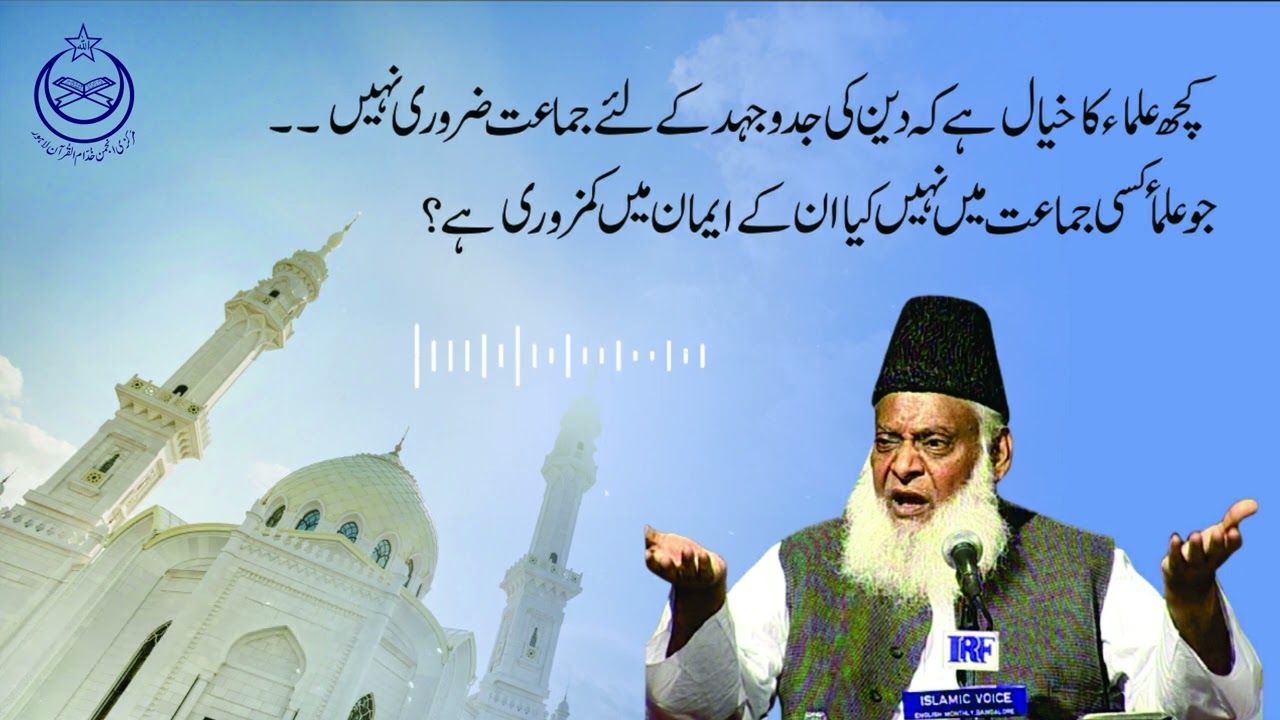
In this clip Dr Israr Ahmed discusses whether joining a jamaat (organization) is necessary for Islamic struggle. He explains that leaving a jamaat is allowed if it goes off track, but one should then form or join another. He highlights how the Prophet Muhammad (PBUH) started with a small group that grew over time. He also criticizes scholars who leave jamaats without explaining their reasons or offering a clear alternative, stressing their duty to guide others.

In this clip Dr Israr Ahmed explains that the Quran does not say Hazrat Isa (Jesus) is alive, but it mentions that Allah took him to Himself. He will return in the future, as confirmed by authentic hadiths in Sahih Bukhari and Sahih Muslim. Both Muslims and Christians believe in his miraculous birth without a father. Hazrat Isa was sent to guide the people of Israel and will return to defeat their enemies.

In the video Dr Israr Ahmed talks about why Dr. Zakir Naik doesn't come to Pakistan and answers questions about speaking on sensitive topics and political invitations. He says directly quoting Prophet Muhammad (PBUH) can be delicate and relates it to historical context. He clarifies he has no political influence or wealth to attract politicians. Regarding Dr. Zakir Naik's hesitation, it's due to uncertainty with Indian government clearance and potential issues with Pakistani authorities.

In this clip Dr Israr Ahmed explaining that there are different forms of shirk in every age. Today's biggest Shirk is Matter.

In this clip, Dr Israr Ahmed discusses three promises from Allah, emphasizing unwavering faith and hope, and the significance of Jihad in the Quran. He underscores Allah's assurances of establishing Khilafah and the inevitable victory of Islam. Ultimately, he highlights the triumph of truth and the eventual embrace of worshiping Allah in peace.

In this clip Dr Israr Ahmed explains that Allah forgives all sins if a person sincerely repents, except for shirk (associating partners with Allah). Lesser sins done unintentionally can be forgiven if one repents sincerely. Deliberate sins require genuine repentance for Allah's forgiveness.
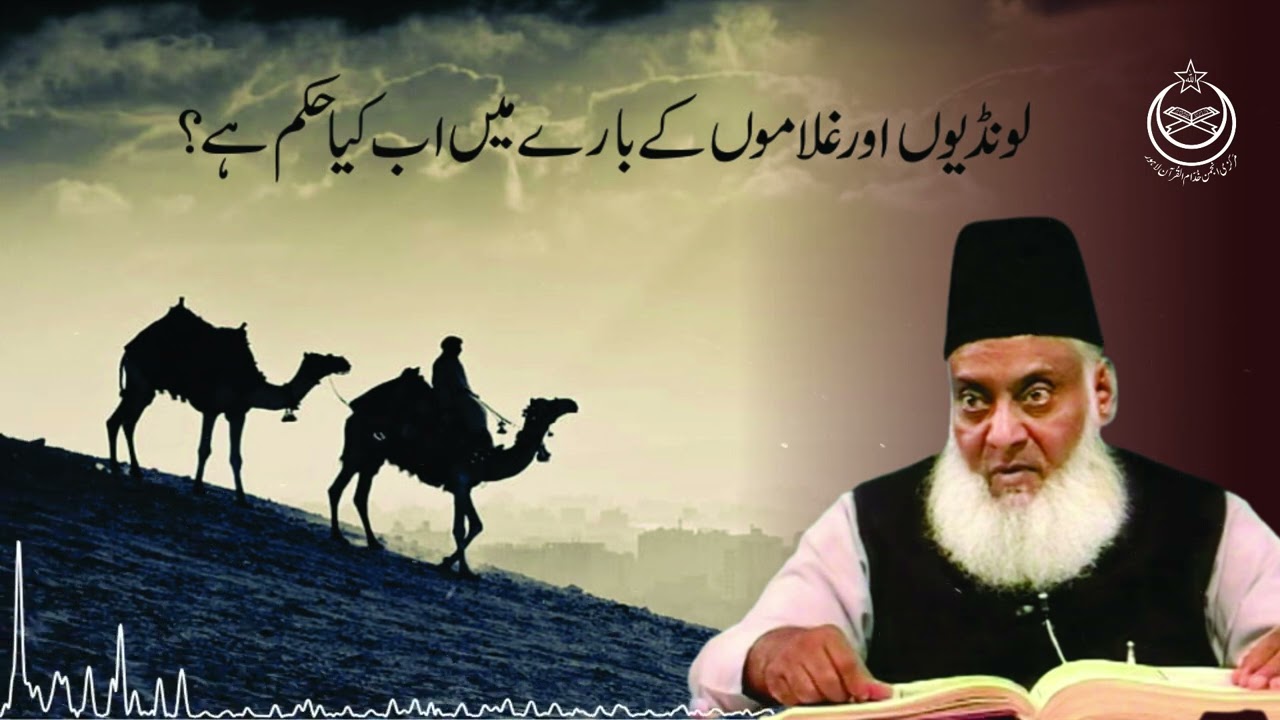
In this clip Dr Israr Ahmed discusses how Islam addressed slavery within its historical context. It encouraged freeing slaves as a virtuous act and mandated kind treatment. Slavery was limited to prisoners of war when alternatives like ransom weren’t viable, while capturing free people was strictly forbidden. Over time, Islamic teachings promoted the decline of slavery. The emphasis remained on justice, compassion, and humane treatment for all.

In this poignant clip, Dr. Israr Ahmed shares insights on who earns Allah's assistance and how to attain it. He vividly recounts the encounter between Prophet Muhammad (peace be upon him) and Abu Jahl in Makkah, imparting timeless lessons in a concise and compelling manner.

Huzoor ﷺ Ki Hazrat Ali رضی اللہ عنہ Ko Nasihat | Powerful Reminder For Muslim Ummah | Dr Israr Ahmed
In this clip, Dr Israr Ahmed discusses Hazrat Ali's advice on facing trials, emphasizing the Quran as the key guide to avoid problems. He urges people to follow its teachings to steer clear of trials. Hazrat Ali's wisdom highlights the importance of seeking guidance from the Quran, which holds lessons from the past and insights for the future.

Dr. Israr Ahmed highlights the contrast between a philosopher and a Prophet. Prophets assert the absolute truth of their message, while philosophers don't claim certainty. The Quran shows how Prophet Muhammad (S.A.W) refused to alter its words, and Hazrat Ibrahim (A.S) urged his father to follow his guidance, rooted in unique knowledge.