Top videos

In this video, Dr. Israr Ahmed tells how Hazrat Maaz Bin Jabal's wisdom averted a crisis during Prophet Muhammad's journey. Impressed, Prophet Muhammad appointed him as an agent to Yemen. Hazrat Maaz sought advice on entering Paradise, learning about the importance of monotheism and avoiding sin.

In this clip Dr Israr Ahmed explains that voting ("woot") and "baait" (pledge of allegiance) are different. Voting is a way to choose a leader through consultation, while "baait" is the act of pledging loyalty to the chosen leader. He gives the example of how Hazrat Uthman (RA) was selected as Caliph through a voting process, but the final step was "baait" to show loyalty. Voting helps in decision-making, but "baait" is the real commitment to follow the leader.

In this clip Dr Israr Ahmed discusses three signs of the Day of Judgment that have occurred and predicts future events in the Arab world. He warns of moral corruption due to abundant wealth and describes a major war involving 80 factions and around 120,000 soldiers, potentially focused on Masjid al-Aqsa.

In this clip Dr Israr Ahmed explains that while it’s natural to feel love for one’s homeland, Islam discourages extreme nationalism. He warns against making the country the main focus of identity, which could lead to justifying wrong actions for its pride. Instead, he emphasizes a balanced approach, where love for country shouldn’t override moral and religious values.

In this clip Dr Israr Ahmed explains that prostration (sajdah) and acts of respect like standing with hands folded or bowing are exclusively for Allah and are forms of worship. These actions should never be performed for anyone else, including prophets. Doing so is strictly forbidden, as these are expressions of devotion meant only for Allah.

Karbala Ka Waqia کربلا | Hazrat Imam Hussain (R A) Ki Shahadat | Reality & Facts | Dr Israr Ahmed Bayan

In the video Dr Israr Ahmed highlights Pakistan's requirement for laws based on Islamic principles, underlining Allah's authority and following the Quran and Sunnah. He cautions against deceiving the public with laws that go against these teachings, advocating for judicial supervision to implement Islamic law. Dr Israr Ahmed asserts that any laws conflicting with Islamic values should be dismissed, with the judiciary ensuring obedience.

In this clip Dr Israr Ahmed highlights that establishing an Islamic government faces global opposition, as seen in Afghanistan's downfall due to strategic mistakes and poor decisions. He stresses self-correction, reliance on Allah, and enduring trials as necessary for success, drawing lessons from historical events where internal flaws led to defeat. True victory, he explains, comes through persistence, discipline, and adherence to divine guidance.
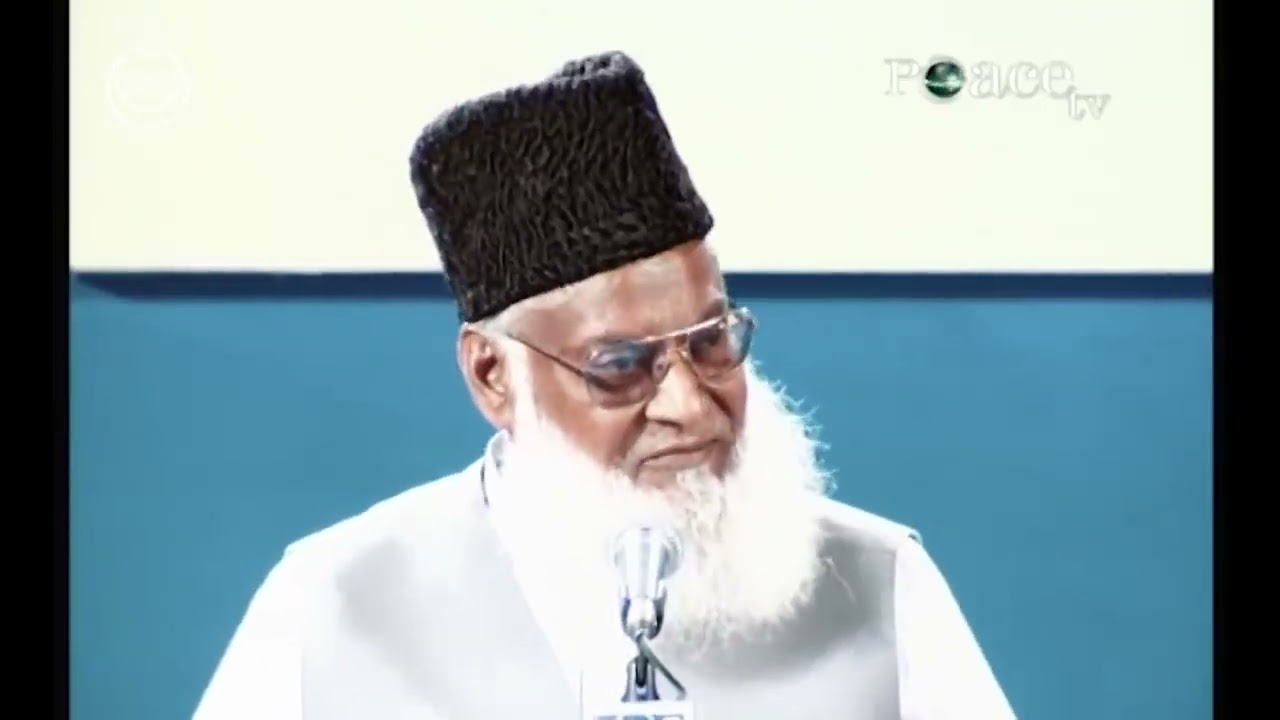
In this clip Dr Israr Ahmed says good deeds depend on intentions, and Allah values sincerity. He explains that even small acts of kindness, like sharing food, matter greatly. Goodness is not just what we do outwardly but also why we do it. This idea is backed by a saying of Hazrat Umar (RA), emphasizing the importance of intentions in our actions.

In this clip, Dr Israr Ahmed is explaining the two advices of Hazrat Muhammad (S.A.W) that he gave to his Ummah, in each of his sermons, 1- Honesty and 2- Keeping the promises.
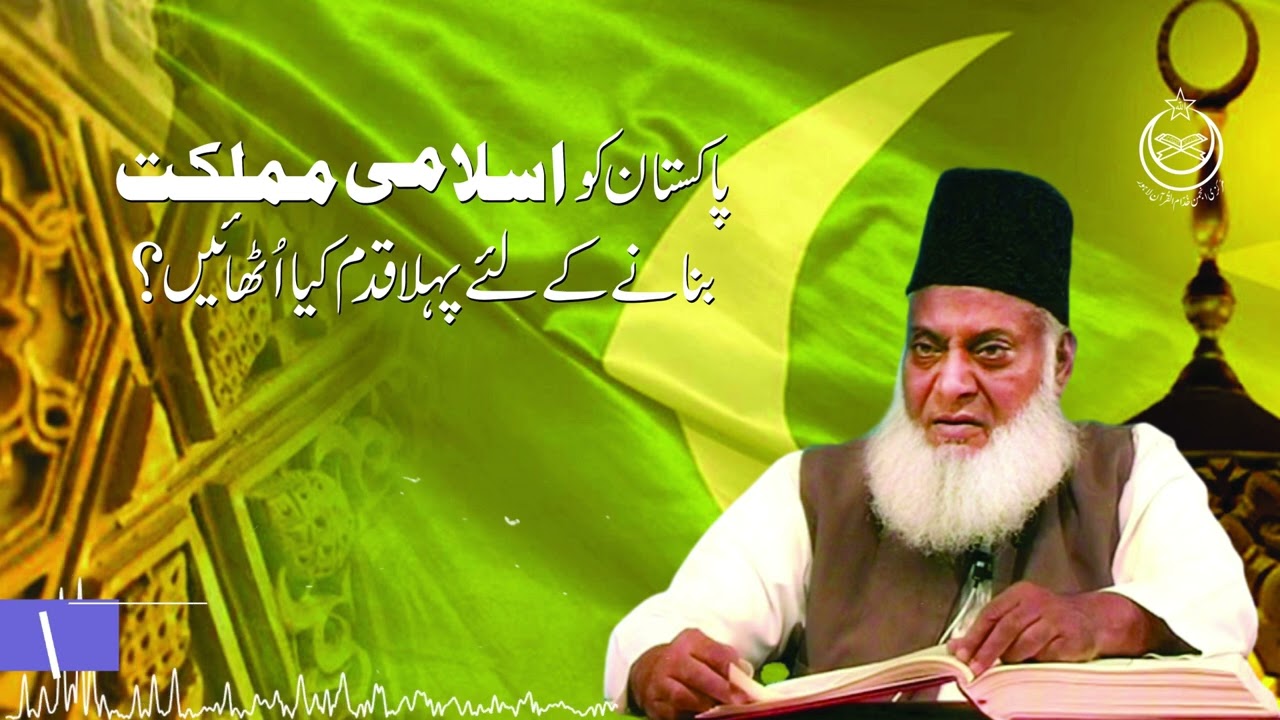
In this clip Dr Israr Ahmed outlines two essential steps for establishing an Islamic state in Pakistan. On an individual level, people must stop engaging in sinful activities and fulfill their religious obligations. This personal reform is crucial for any real change. On a national level, the country's constitution, which currently includes both Islamic and non-Islamic elements, must be revised to align fully with Islamic principles. Only then can true progress be made towards an Islamic state.

In this clip Dr Israr Ahmed suggests that Pakistan’s problems can be solved by changing the system to a presidential one and creating 14-15 smaller provinces for better management. He believes the constitution should follow three main principles: 1) Allah is the ultimate authority, 2) laws should align with the Quran and Sunnah, and 3) non-Muslims should have rights but not equal political power. He thinks this system would improve governance.

In this clip Dr Israr Ahmed explains that prayers and requests for help should be directed only to Allah, not to any prophets, saints, or religious figures. He emphasizes that while we can ask for help in physical matters from people around us, seeking unseen help (like miracles) from anyone other than Allah is forbidden. Doing so nullifies the act of worship.

In this clip, Dr. Israr Ahmed explains that Hazrat Isa (AS) will defeat the Jews and Dajjal in the future. He highlights that while Muslims have strength, it’s hard to unite all nations. The Mahdi will appear first to lead this fight. Dr. Israr Ahmed encourages Muslims to keep working towards their goals, as true success comes from Allah's will, and they should not stop their efforts even if the final victory depends on divine help.

In this clip Dr Israr Ahmed summarizes Prophet Muhammad's (SAW) farewell sermon during his last Hajj. In the sermon, the Prophet confirmed he had delivered Allah's message and asked Allah and the people to bear witness. He emphasized the importance of spreading his teachings to everyone and fulfilling the responsibility of conveying Islam to the world.

In this clip Dr Israr Ahmed explains that the Khawarij were declared outside Islam because they wrongly believed that committing a major sin made someone a disbeliever who must be killed. Similarly, those who deny the finality of Prophethood are also outside Islam because they reject a core belief, not because of their actions.

In this clip Dr Israr Ahmed explained that Luqman should be referred to as "Rehmatullah Alaih" (may Allah have mercy on him) because "RA" is for companions and "AS" is for prophets. He stressed the importance of using the correct terms to show respect for their different statuses in Islam.

In this clip, Dr. Israr Ahmed talks about his prediction from 20 years ago that the Taliban would succeed. He congratulates the Taliban and Muslims, saying their rule will bring peace to Afghanistan. He mentions the sacrifices of Afghan fighters and believes their devotion to Islam will bring good results. If the Taliban succeed, it could inspire other Muslim countries to follow similar Islamic governance.
In this clip, Dr. Israr Ahmed talks about the five questions Allah will ask humans on Judgment Day, as mentioned in the Quran. He shares stories of how notable figures reacted to the idea of being held accountable for their actions. Dr. Israr Ahmed emphasizes the importance of reflecting on how we've lived our lives and used our resources, especially youth and wealth, as these will be part of the questions asked by Allah.

Dr. Israr Ahmed recounts the story of Hazrat Yusuf (A.S). When Yusuf told his father, Yaqub (A.S), about his dream, Yaqub warned him not to share it with his brothers, knowing they'd become jealous. Yusuf's step-brothers threw him into a well, but a passing caravan rescued him, intending to sell him for profit.