Top videos
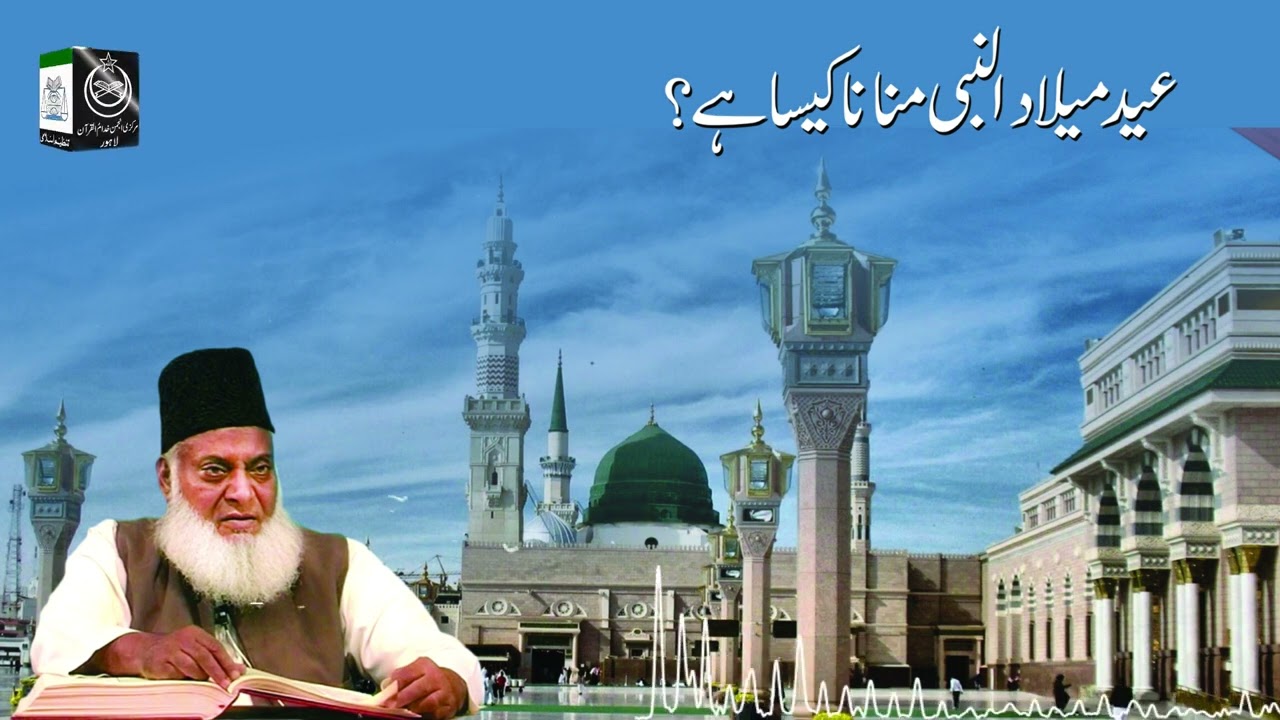
In this clip Dr israr Ahmed explain that Islam recognizes only two Eids: Eid-ul-Fitr and Eid-ul-Adha, while Eid Milad-un-Nabi, commemorating the Prophet Muhammad’s (PBUH) birth, is not a prescribed religious festival. Acts of kindness on this day, like feeding the poor, are permissible, but celebrations and processions resemble non-Islamic traditions and were historically introduced for social reasons. Thus, while honoring the Prophet’s birth through good deeds is encouraged, observing it as an Eid has no foundation in Islamic teachings.

In this clip Dr Israr Ahmed emphasizes adapting the Prophetic method (Nabvi Tareeqa) for establishing Deen through ijtihad. He notes that modern centralized governments and powerful armies make direct confrontation impractical. Instead, he advocates peaceful strategies like civil disobedience to achieve Islamic goals. This approach balances practicality with adherence to Islamic principles. The ultimate aim is to establish Deen in a way suited to today’s realities.
In the clip, Dr. Israr Ahmed advises on conducting a marriage ceremony, emphasizing the importance of announcing it in a mosque, following Prophet Muhammad's (SAW) guidance. He stresses the significance of sincere prayers, contrasting ideal weddings with distractions like smoking. Dr. Israr Ahmed highlights the sacredness of marriage and suggests that the wedding feast in the mosque is the only invitation needed.

In this clip Dr Israr Ahmed explains that if someone sins by mistake or due to strong emotions but quickly repents, Allah will forgive them. However, if a person knowingly and repeatedly commits a sin without repentance, it can cancel out their good deeds. The key point is that immediate repentance is important, and there is a difference between accidental and deliberate sins.

In this clip, Dr Israr Ahmed recounts the Battle of Badr, highlighting Prophet Muhammad's (PBUH) choice to confront the Quraish army over pursuing their caravan. Despite advice to the contrary, the Prophet's decision led to victory, showcasing the triumph of truth over falsehood. Hazrat Abu Bakr's unwavering faith and the Prophet's profound prayer underscored their commitment to righteousness.


Osman Ghazi & Ertugrul Ghazi | History Of Khilafat e Usmania Ottoman Empire | Dr Israr Ahmed

In this clip Dr Israr Ahmed explains the punishments in Hell as described in the Quran, including food like the bitter plant Zaqqoom and boiling water. He highlights the importance of faith in Allah, His messengers, the final Prophet, the scriptures, the afterlife, and the concepts of reward and punishment. He notes two levels of faith: verbal declaration, which is useful for legal and social recognition, and true inner belief.

Surah e KAHAF Complete By Dr Israr Ahmed | Ashab e Kahf Ka Waqia | Fitna e DAJJAL Kya Hai

In this clip Dr Israr Ahmed discusses working for Islam with a focus on trusting in Allah and perseverance. He stresses the significance of prayer, contentment, and relying on Allah's will. Though hard work is crucial, outcomes are ultimately up to Allah. Despite setbacks, one should persist in their duties and trust in Allah's guidance for success.

In this clip Dr Israr Ahmed says women can contribute to society while following hijab and Islamic values. He encourages home-based work to support families and says working outside is allowed if needed, as long as hijab is observed. He advises women to choose roles that align with Islamic values and warns against blindly copying Western ideas.

In this clip Dr Israr Ahmed explains that Muslims have a great task to perform acts of charity and obey Allah. Charity isn’t just about giving money; it includes creating institutions to help those in need, like shelters and providing basic necessities. Muslims are also responsible for guiding others to avoid spiritual harm and preparing for the afterlife. The ultimate goal is to save people from the punishment of hell and remind them of the true purpose of life, which is to prepare for the hereafter.

In this clip Dr Israr Ahmed explain that Taraweeh is a special Ramadan prayer that helps us grow spiritually and feel peaceful. We wake up at night to pray and ask for forgiveness, which strengthens our relationship with God and brings joy and tranquility. While not required, Taraweeh is a great way to connect with our faith and seek guidance, protection, and renewal.

In this clip Dr Israr Ahmed explains that Ba'it-e-Jihad today is not just about fighting but includes struggles against wrong beliefs and practices. Jihad, in his view, involves working to spread Islamic values, not rebelling. He says forming political parties is allowed, but their group has chosen not to participate in elections, believing that real change comes from broader efforts, not just voting. They focus on preparing people for a peaceful struggle to achieve Islamic goals.
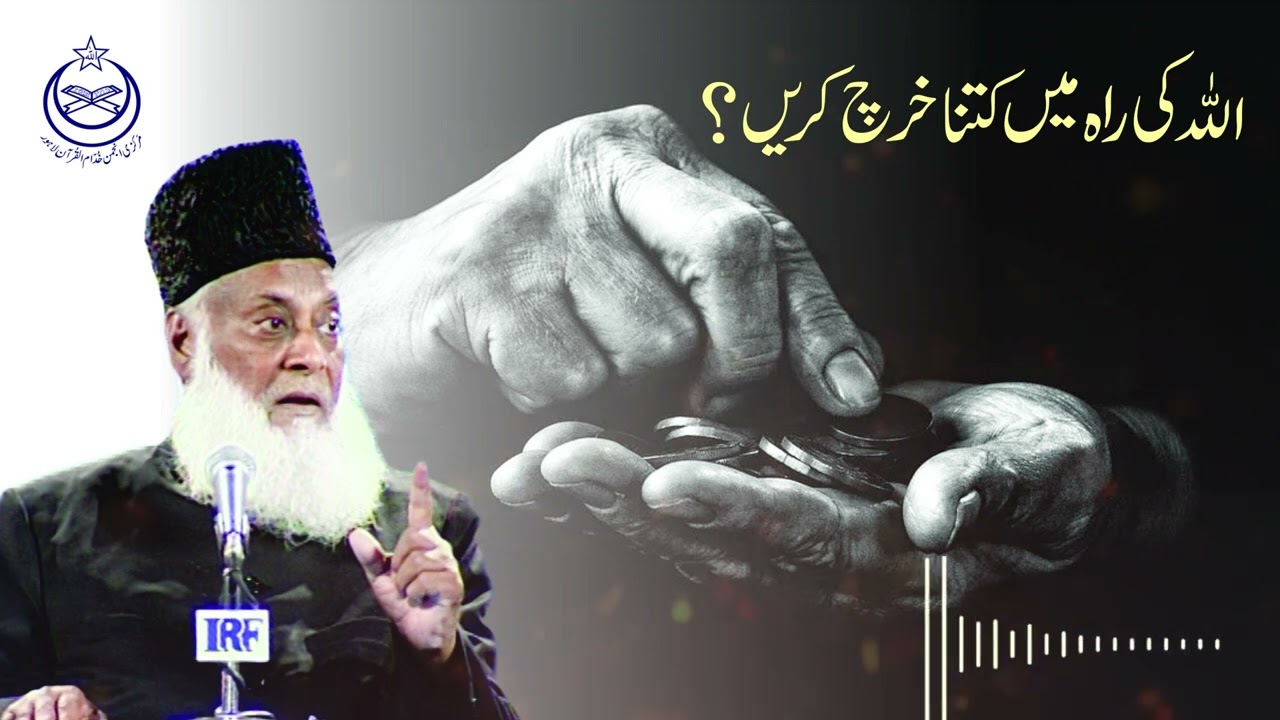
In this clip Dr Israr Ahmed explains that Islam has two systems of giving: one mandatory, like zakat, and the other voluntary based on personal faith. Zakat is required when wealth surpasses a certain limit, but beyond that, believers are encouraged to reduce their needs and give extra in the path of Allah. This voluntary giving depends on one's belief in the greater rewards of the Hereafter.

In this clip, Dr Israr Ahmed highlighted the significance of Prophet Muhammad's (peace be upon him) pivotal role in our hearts. He illustrated an incident from the Quran where the Prophet faced a sword attack, emphasizing that guidance ultimately lies in Allah's hands, not the Prophet's. Despite the Prophet's wish for his uncle, Abu Talib, to accept Islam, guidance is solely Allah's decision, as seen in Abu Talib's support without embracing faith.
In this clip, Dr Israr Ahmed beautifully explains the essence of worship through Prophet Moses' story in the Quran. He emphasizes that true devotion springs from deep love for Allah and His Messenger. Obedience devoid of love is hollow. Using Moses' encounter with Pharaoh, he shows that genuine worship combines obedience with heartfelt affection. Without this love-infused obedience, religious rituals like prayers and fasting lose their true significance.

In this clip Dr Israr Ahmed talks about the rights of Allah on Muslims, focusing on worship as a key duty. He explains that worship goes beyond rituals like prayer and fasting; it includes living life according to Allah's commands in all matters. He emphasizes that obedience to Allah should be complete and constant, as Islam is not just a religion but a complete guide for living. He also notes that all prophets, including Prophet Muhammad (PBUH), called people to worship Allah alone.
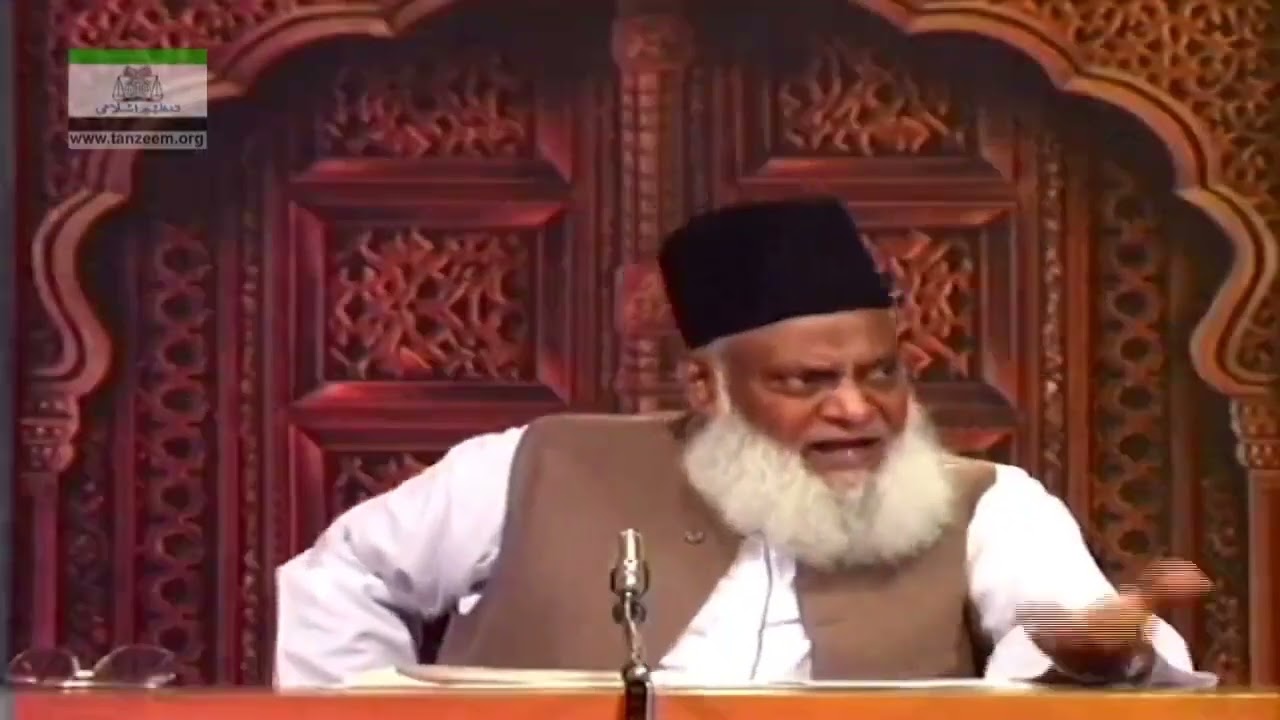
In this clip, Dr israr Ahmed explaining that the incident of Taif was the climax difficulties in the life of Prophet (S.A.W). Allah's help to his Prophet (S.A.W) in Ghar-e-Saur.
Allah helps man if he succeeds in the test.

In this clip Dr Israr Ahmad explains that being a servant of Allah means complete obedience at all times, not just part-time like an employee. He compares it to how slaves in the past were fully controlled by their masters. Similarly, we must fully submit to Allah in everything we do, as this is the key message of the Quran and the teachings of Prophet Muhammad (SAW).