Top videos

In this clip Dr. Israr Ahmed is explaning that Ramadan is a special time of year. Helping someone who is fasting makes God very happy. It helps forgive their mistakes and makes them feel happy on the Day of Judgment. Even a small gift of food or drink makes a big difference. God loves it when we are kind to others during Ramadan. It's a time to grow and be kind.

In this video, Dr. Israr Ahmed shares his reflections on life, emphasizing the inevitability of death as the greatest reality. He highlights how everyone, believer or not, must face death, as stated in the Quran. Dr. Israr stresses that life brings both blessings and trials, and there is no deception in worldly life.

In this clip Dr Israr Ahmed talks about the struggle to avoid sins and the guilt that comes with them. He advises reading and understanding the Quran in Arabic for a stronger faith. True repentance means sincerely deciding not to repeat the sin, and it's essential to seek forgiveness for wrongs done to others, as Allah cannot compensate for those.

Prediction & Secrets About End Of Time | Qayamat Ki Nishaniyan | Dr Israr Ahmed Official

Ancient Time Story in Quran | 2 Logon Ka Qissa | Bagh Walon Ka Waqiya | Faith In Allah By Dr Israr

In this clip Dr Israr Ahmed explains the difficulty of maintaining faith during tough economic times. He urges Muslims to stay committed to their religion and study the Quran. He encourages different Islamic groups to work together and trust in Allah, who provides help in unexpected ways. Overall, he highlights the importance of unity and deepening faith to face today’s challenges.
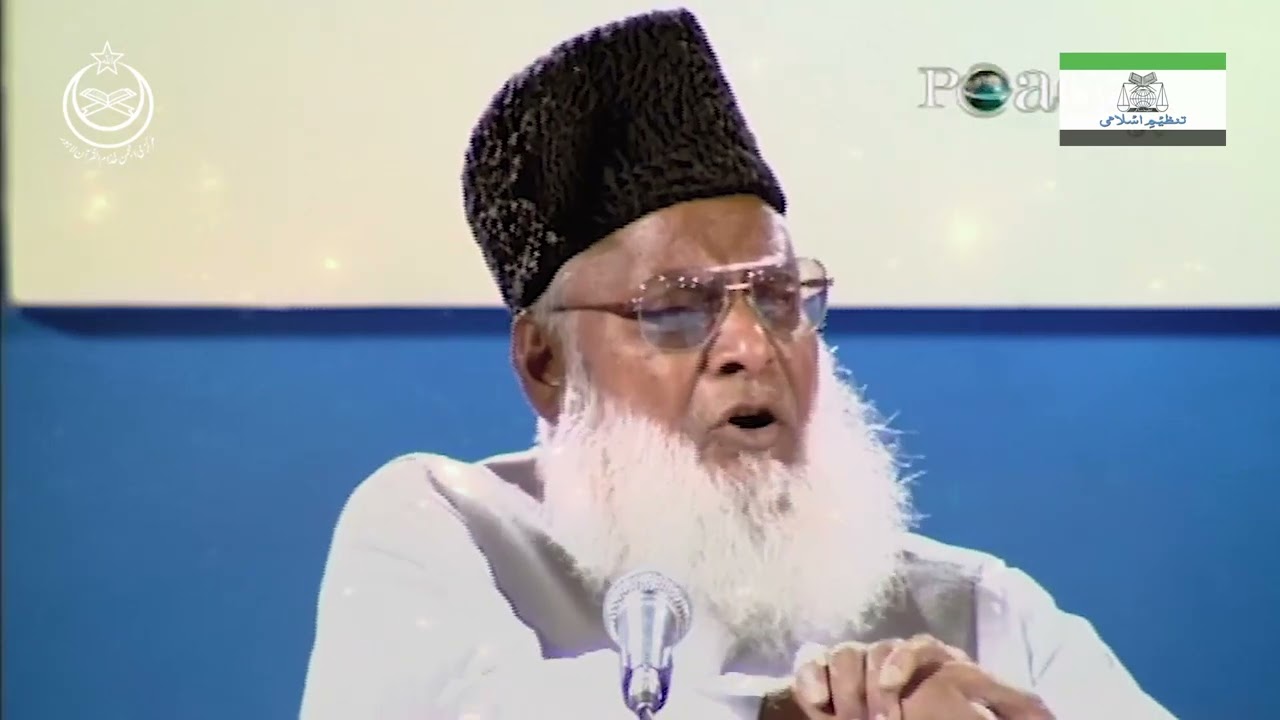
In this clip Dr Israr Ahmed explains that the Quran emphasizes keeping promises and commitments in all parts of life. Whether at work, in marriage, or any agreement, everyone must honor their commitments. Breaking promises leads to dishonesty and injustice. Trustworthiness is crucial for a good life, and without it, one cannot truly have faith or religion.

In this clip Dr Israr Ahmed explains that true worship involves both deep love and complete obedience to Allah. When you love Allah fully, your obedience becomes worship. He warns against worshipping things like fame or power, emphasizing that only Allah deserves this devotion. True worship is an expression of love and submission to Allah.

In this clip, Dr Israr Ahmed is telling about different concepts of Man about God. Different forms of Shirk.

In this captivating discourse, Dr. Israr Ahmed delves into the timeless wisdom of Prophet Muhammad (PBUH) regarding jihad. With eloquence and depth, he highlights the inner and outer battles believers face against personal desires and societal pressures. Dr. Israr's words inspire a journey of self-discovery and righteous action, encapsulating the essence of jihad in its multifaceted dimensions.
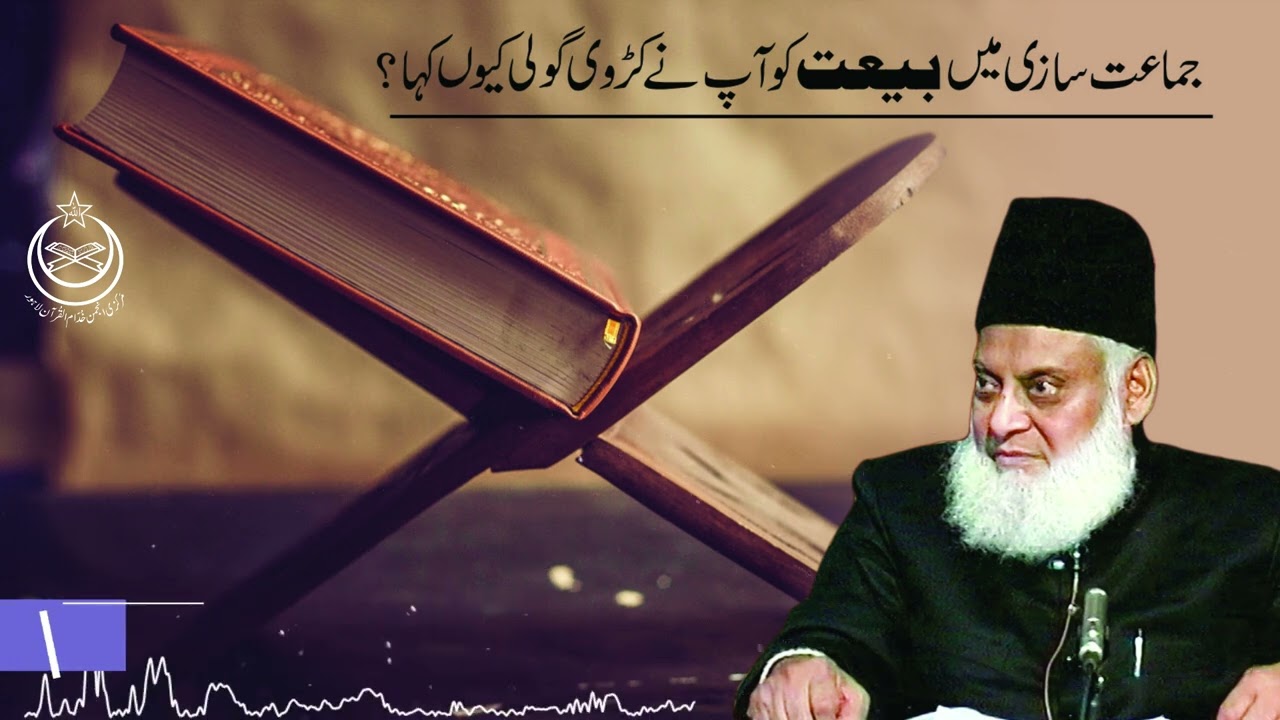
In this clip Dr Israr Ahmed explains "bai'at" (pledge of allegiance) as a process where people give their opinions, but the leader (ameer) makes the final decision, not based on majority votes. He notes that this can be difficult for those used to democratic systems. However, he emphasizes the importance of loyalty to the leader in Islam, citing the Battle of Ahzab, where Muslims pledged their support to the Prophet Muhammad (PBUH) and the need for unity in faith.

In this clip Dr Israr Ahmed explains that asking for help directly from the Prophet (PBUH) or others, believing they have power from the unseen, is shirk (wrong). However, saying "Ya Rasool Allah" in poetry or metaphorically is not shirk. Help should always be asked from Allah, who may send help through angels or people, but we should pray only to Him for anything beyond normal, physical assistance.

In this clip, Dr. Israr Ahmed explains that Prophet Muhammad (PBUH) established Allah's rule on Earth using the Quran. The Prophet’s main approach was to invite people to Allah through the teachings of the Quran, combining this with action to implement Allah's will. Dr. Israr Ahmed emphasizes that spreading the Quran was the core of the Prophet's mission.

In this clip Dr Israr Ahmed emphasizes that good deeds should be done only to please Allah, not for showing off or gaining worldly benefits. He warns that if a deed is done with mixed intentions, it loses its value. The focus should be on sincerity, seeking reward only from Allah. Any other motive makes the good deed worthless.

In this clip Dr Israr Ahmed believes that Quran translation shouldn't be taught in high school because students are too young to fully understand its deeper meanings. Instead, he suggests focusing on Quran recitation in primary school and teaching Arabic in high school, along with lessons on ethics and moral values. This approach would help students grasp the Quran's message better as they mature.

In this clip, Dr. Israr Ahmed explains that Islam is meant to bring a complete change to society, not just small adjustments. He criticizes Pakistan for only partially implementing Islamic values and emphasizes the importance of following the example of Prophet Muhammad (SAW) to bring real change. Dr. Israr believes that while it may take a long time, the process must stay true to Islamic principles rather than using modern political methods like elections.

In this clip, Dr. Israr Ahmed talks about whether women should work and stresses the importance of gender segregation in Islam. He believes Muslim women should stay modest and at home to raise good children. He recalls advising Zia-ul-Haq to stop serving alcohol on PIA flights and criticizes female air hostesses traveling for work, as he thinks it's against Islamic principles. Despite facing protests for his views, he urges Muslims to stay true to their values.

In this clip Dr Israr Ahmed suggests life is like a prison, filled with suffering. He compares enduring hardships to religious beliefs, He emphasizing that relief comes only after death. Understanding this reality leads to a higher understanding, beyond fear of grief.
In this clip Dr Israr Ahmed warned that the UAE and Saudi Arabia accepting Israeli influence would bring disaster to Arabs. He predicted a major war, with Israel expanding and taking over Arab lands, including Saudi Arabia and Egypt. The Al-Aqsa Mosque would be destroyed to rebuild the Temple of Solomon, leading to great suffering for Arabs.