Top videos

In this clip Dr Israr Ahmed explains that on the Day of Judgment, true justice will be served. Everything in the universe has a purpose. Although good people may suffer and bad people may prosper in this world, ultimate justice will come in the afterlife. Prophet Muhammad (SAW) faced hardships despite his goodness, showing that real rewards and punishments are in the hereafter.

In this clip Dr Israr Ahmed explains that Europe's progress was influenced by principles from the Quran, especially the focus on observation and logic. He notes that Islamic teachings on scientific inquiry inspired European scholars, who studied in universities in Muslim Spain, helping to spark the Renaissance and the growth of science in Europe.

In this video, Dr. Israr Ahmed mentions Hazrat Hassan Ibni Talib, grandson of Prophet Muhammad (S.A.W), and shares a hadith he remembered from the Prophet: to avoid anything that creates doubt in the heart. He emphasizes the importance of listening to our conscience, as it guides us towards truth and faith.
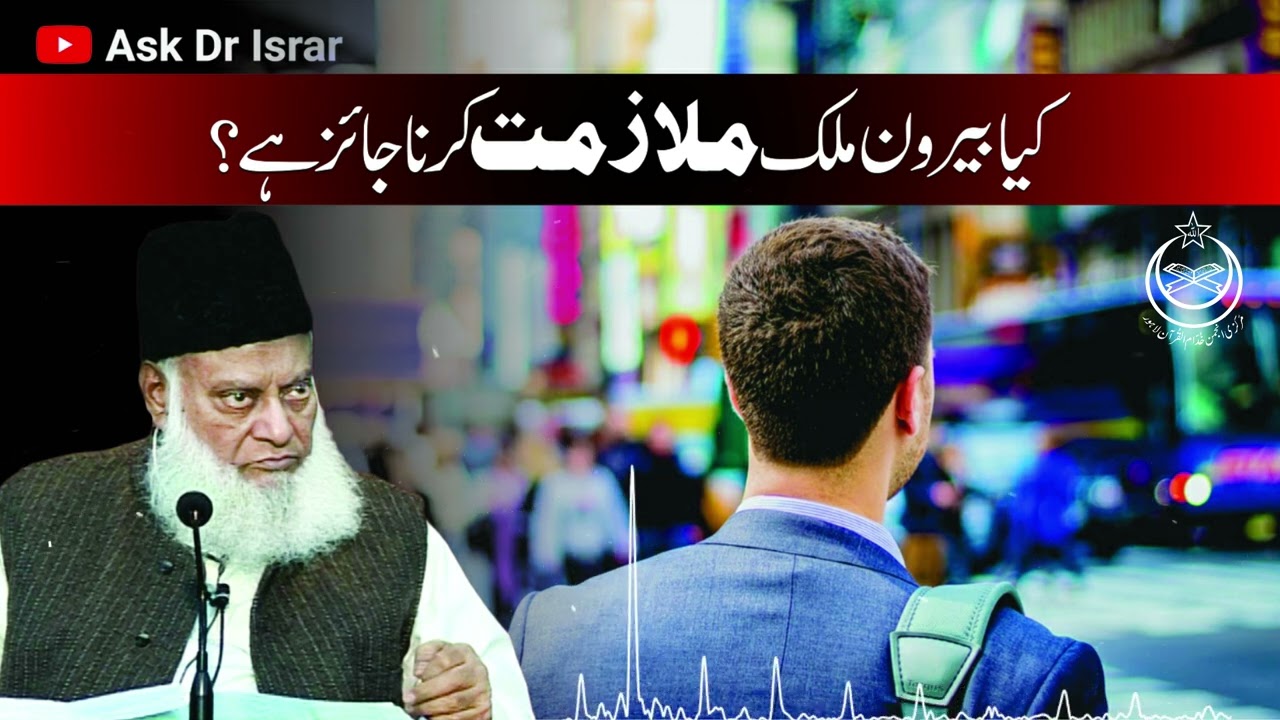
In this clip Dr Israr Ahmed believes that working abroad isn’t ideal in Islam. He says people educated in Pakistan should serve their country instead of going abroad for money. Moving away can weaken cultural values and lead to neglecting family, especially elderly parents. Serving one’s own country, he says, is more honorable.

In this clip Dr Israr Ahmed shares a prophecy about the end times, narrated by Hazrat Miqdad bin Aswad (RA). The prophecy says that every home on earth, whether made of bricks or tents, will eventually have Islam enter it. This will happen either with respect or against people's wishes.

In this clip Dr Israr Ahmed explains that worship in Islam means loving and obeying Allah fully. If someone sins, they should quickly repent, and Allah will forgive them. Persisting in major sins, like taking interest, can lead to severe punishment. True worship combines obeying Allah and loving Him deeply. The core message of all prophets is to worship only Allah.

In this clip, he mentioned about the routine of three sahaba (R.A) who decided to do different Ibadaat extraordinarily. The Prophet (S.A.W) did not like this type of extremist attitude in Ibadat. He also explaind about retribution and forgiveness.
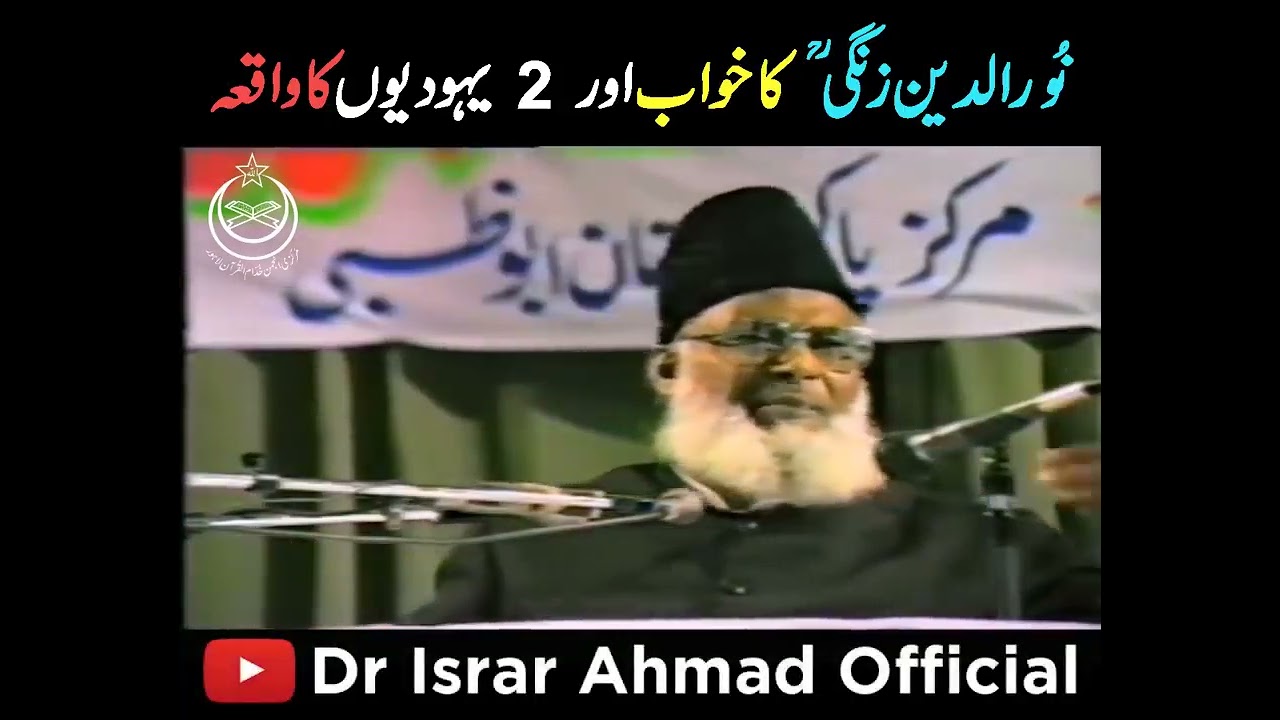
In this clip, Dr Israr Ahmed discusses a dream where two Jews tried to take Prophet Muhammad's body. It also explains two types of hypocrisy: intentional and unintentional. In the story, these Jews pretended to be Muslims, but the Prophet saw through their disguise. Later, they were caught trying to dig a tunnel to his grave. This highlights how even those who pretend to be devout can have harmful intentions.

In the video Dr Israr Ahmed warns about the impact of feminism in Pakistan, attributing it to Western influence. He predicts societal breakdown, where traditional roles are disrupted, and same-sex marriages become common. He highlights a 1994 conference in Cairo advocating for gender equality, including criminalizing marital rape and equal inheritance rights, which he sees as a threat to Islamic values.

In this clip Dr Israr Ahmed says true goodness in Islam needs compassion for others, not just prayer. Real faith shows through kindness and empathy. Without compassion, even the most devout are not truly righteous. True faith involves helping others with what you love. The Quran teaches that real righteousness comes from giving what you cherish to those in need.

In this clip Dr Israr Ahmad explained that if a husband stops his wife from caring for her elderly parents, she should try to convince him respectfully. If the husband is strict and won't allow it, divorce is an option in Islam. Divorce isn't something bad in Islam, but a way out if the marriage can't work peacefully. In many cultures, divorce is looked down upon, but Islam allows it when needed for a better outcome.

In the video, Dr. Israr Ahmed talks about court marriage in Islam. He says it's allowed but needs the guardian's permission. Without it, the marriage isn't valid. Sometimes, if there's injustice or delay in marriage, scholars like Imam Abu Hanifah permit marriage without the guardian's consent. But generally, the guardian's approval is needed for a proper marriage in Islam.

In this clip Dr Israr Ahmed explain that Taraweeh is a special Ramadan prayer that helps us grow spiritually and feel peaceful. We wake up at night to pray and ask for forgiveness, which strengthens our relationship with God and brings joy and tranquility. While not required, Taraweeh is a great way to connect with our faith and seek guidance, protection, and renewal.

In this clip Dr Israr Ahmed explains the Tablighi Jamaat, focusing on their strengths and some issues. He appreciates their emphasis on studying Hadith and encouraging good deeds but notes that some weak Hadiths are used. He stresses the Quran should be prioritized over Hadith. While their focus on preaching is good, he feels they neglect important aspects like politics and opposing false systems, which are crucial for a complete understanding of Islam.

In this clip Dr Israr Ahmed's predictions about the Taliban's rise are proving true after 18 years. He believes success comes to those who trust in Allah. Dr. Israr Ahmed discusses the ongoing bloodshed in Afghanistan and the sincere intentions of those fighting for Islam. He predicts the return of Taliban rule and urges patience and reliance on Allah's guidance.

In this clip Dr Israr Ahmed explains that before coming to this world, our souls lived in a different realm called Alam-e-Arwah. There, all souls were created and made a promise to recognize Allah as their Lord. Our souls were fully aware and conscious, even though we didn’t have bodies yet. This shows our deep connection with Allah from the beginning.

In this clip Dr Israr Ahmed explains that the biggest form of shirk today is believing in human authority over Allah's rule. He says that thinking humans have the ultimate power, like ancient rulers did, is a serious mistake. Dr. Israr warns that modern ideas like democracy and materialism, which prioritize human decisions and worldly things over Allah, are also forms of shirk. He highlights that while people recognize obvious shirk, they often miss these hidden forms that are common today.

In this clip Dr Israr Ahmed explains that an Islamic group (Jamaat) should be based on discipline and following a set of rules (constitution) rather than being loyal to a single leader. The group is legitimate if its members agree to obey these rules, even when it's difficult or goes against their personal opinions. In Islam, the focus is on following the guidelines set by Prophet Muhammad (PBUH) and his companions, with allegiance to the constitution, not to any individual.

Gautam Buddha Story in Urdu Hindi | Life Of Gautam Buddha | Zindgi Ki Asal Haqeeqat By Dr Israr Ahme
In this clip Dr Israr Ahmad discusses Gautam Buddha's life and the essence of suffering. Buddha, once a prince, left his palace to understand human pain. He believed suffering is inherent in life and preached the importance of understanding it for true salvation. According to him, everyone will be held accountable for their actions.

In this clip Dr Israr Ahmed explains that true righteousness in the Quran means having sincere faith and doing good deeds consistently. It’s not about outward appearances but about living by Islamic principles and standing firm in Allah's path. Genuine faith drives meaningful actions, making superficial displays of piety empty. True righteousness involves a complete, honest approach to faith and practice.