Top videos

In this clip Dr Israr Ahmed emphasizes that Islam strictly forbids the exploitation of women, such as buying or selling them. In the case of war, women captured lawfully are treated with dignity and given opportunities to earn their freedom. Islam encourages fair and respectful treatment, ensuring no coercion. The concept of freedom can be earned through mutual agreements, not force. Overall, Islam stresses justice and human rights, even in difficult situations like war.

In this clip Dr Israr Ahmed stresses gratitude to Allah for His guidance, emphasizing it's all by His grace. He highlights stages of guidance: initiation, progression, and reaching the destination. Gratitude, he says, means recognizing all abilities are from Allah, shunning arrogance. He urges adhering to Allah's path, focusing on responsibilities without pride.

In this clip, Dr. Israr Ahmed discusses the importance of conveying Allah's message to others. He explains that as servants of Allah, it's our duty to share His teachings and guide people toward worship. The Quran uses terms like "tableegh" and "dawah" to describe this process. Dr. Israr Ahmed also highlights how even the Prophet Muhammad (SAW) was reminded to fully convey Allah’s message and not to ignore any part of it, emphasizing the importance of reaching out to everyone, including those who might seem less important.

Qayamat Kab Aayegi | Predictions About End Of Time | Qayamat ki 6 Bari Nishaniyan | Dr Israr Ahmed

In this clip Dr Israr Ahmed explains that on the Day of Judgment, humans will be resurrected and questioned about their actions. Unlike animals and plants, humans will be judged for their efforts to seek truth and their deeds. Every action will be examined, and people will be rewarded or punished accordingly. This highlights the serious responsibility of being human.

In this clip Dr Israr Ahmed clarifies the difference between sadqa and qarz-e-husna. Sadqa refers to voluntary donations given to help the poor, orphans, and those in need. In contrast, qarz-e-husna is a loan provided to support efforts that promote Islam and its teachings. Essentially, sadqa aids individuals directly, while qarz-e-husna focuses on strengthening the faith and community.

Hazrat Ali (R A) Ki Shan | Quotes of Hazrat Ali | Bravery Of Hazrat Ali | Biography Of Hazrat Ali

In this clip, Dr. Israr Ahmed highlights the importance of Nawafil prayers in an Islamic state, allowing believers to draw closer to Allah. He underscores the opportunity for spiritual advancement within such a system and shares Hazrat Abu Bakar's advice on prioritizing the establishment of an Islamic framework if it's lacking.

In this clip Dr Israr Ahmed explains that the concept of eternal life in heaven (Jannah) and hell (Jahannum) is hard for humans to fully understand due to our limited minds. He mentions two scholars, Ibn Arabi and Ibn Taymiyyah, who both agree that heaven is eternal, but hell may not be. This debate comes from different interpretations of religious texts.

In this clip Dr Israr Ahmed emphasizes relying solely on Allah for help, advising not to lose hope in His mercy and love. He encourages asking only from Allah, maintaining self-respect while seeking help. The message underscores refraining from judging or being harsh to those seeking assistance. Additionally, it advocates giving to those in need, even if it's just a small gesture, and apologizing politely if unable to help.

In this clip, Dr. Israr Ahmed teaches that everything in the universe reflects Allah's presence, as mentioned in the Quran. He highlights that Allah's signs are abundant, visible in every aspect of creation. Dr. Ahmed urges us to contemplate these signs in both the heavens and the earth, emphasizing their significance in recognizing Allah's greatness.

In this clip Dr Israr Ahmed explains that while humans want to see results from their efforts, we should work for Allah's pleasure. He highlights that people have a spiritual side that seeks higher values and a physical side that wants rewards. True faith means continuing to work even when we don’t see immediate results, as focusing only on outcomes can lead to losing motivation.

In this clip Dr Israr Ahmed explains that in early Islamic governance under Mullah Umar, there were no significant resources or funds. Despite this, they enforced Islamic punishments, which greatly reduced crimes like theft, adultery, and robbery. He believes that applying these strict punishments can nearly eliminate crime in society.

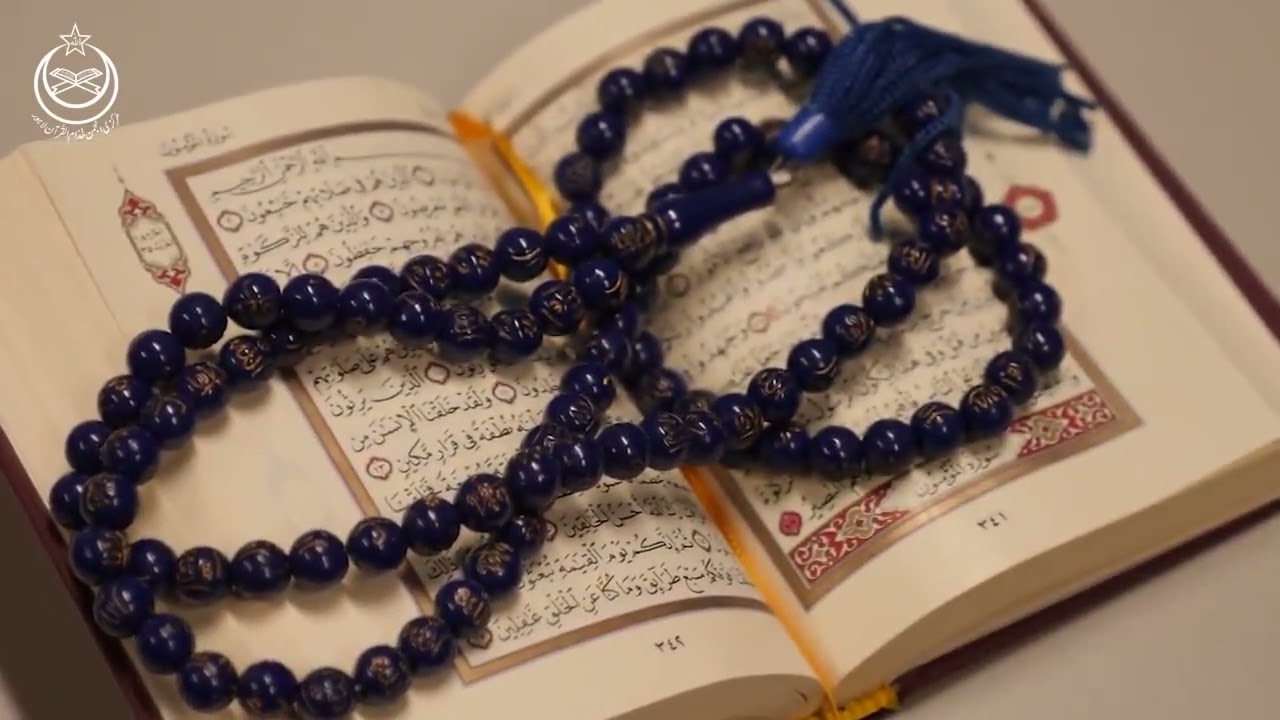
In the clip, Dr. Israr Ahmed talks about how Allah will honor and elevate nations through the Quran, while those who ignore it will face disgrace. He stresses that the Quran is crucial for Muslims, and neglecting it leads to humiliation. Dr. Israr highlights the Quran's role in guiding and shaping civilizations, emphasizing its significance in human history.

In this clip Dr Israr Ahmed explains that if someone loves their family, wealth, business, and possessions more than Allah, His Prophet (PBUH), and working in His cause, they should be warned. Allah does not guide those who prefer the world over Him. The message is to prioritize love for Allah over worldly attachments.

In this clip Dr Israr Ahmed says that Pakistanis' failure to uphold Allah's law after gaining independence has led to hypocrisy, affecting future generations. He explains that, like the Israelites in the Quran, later generations are responsible for following the same wrong path. He urges youth to dedicate themselves to their religious rights, just as they do for worldly causes.

In this clip Dr Israr Ahmed talks about avoiding interest-based systems like banks and suggests partnerships based on fairness instead. He says until interest systems are gone, there can't be alternatives. He warns against even indirect involvement with interest and urges changing the system.

In this clip Dr Israr Ahmed explains that identifying as Muhammad's (SAW) followers requires rejecting false beliefs. He lists four crucial conditions for salvation: faith alone isn't enough; being Muhammad's (SAW) followers ensures it. Being Muslim and Muhammad's (SAW) followers guarantees salvation.

In this clip Dr Israr Ahmed shares a poignant speech about the final test of patience and recounts the inspiring story of Musab bin Umair (RA). Despite facing persecution and torture from the Quraysh elite, Musab remained steadfast in his faith, symbolizing the resilience of early Muslims in the face of adversity. His story highlights the transformative power of Islam and the sacrifices made by early believers.